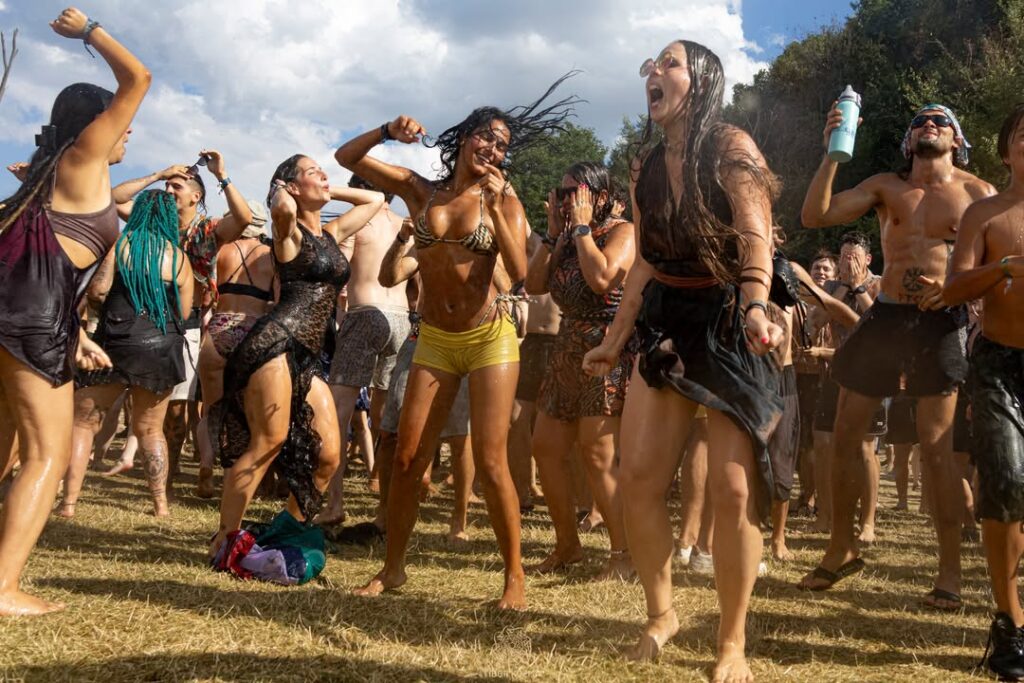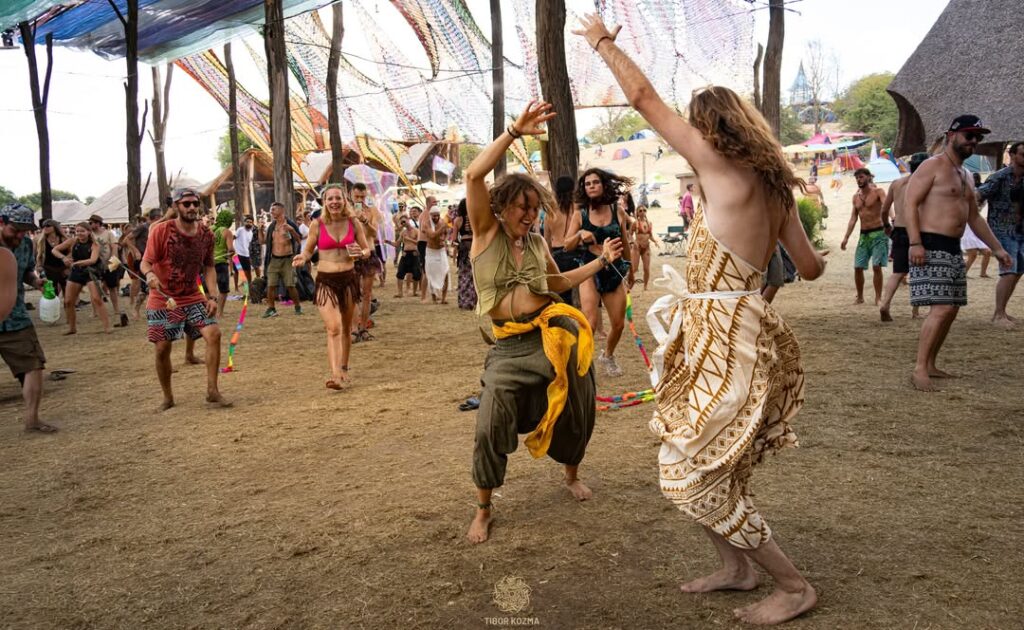
There are festivals you remember for a single headline set, a perfect sunset, or one night that felt endless. And then there’s O.Z.O.R.A. — a place we remember as a living idea: proof that thousands of people can share space for a full week with freedom, respect, and a deep sense of collective care.
We attended in 2025 as part of the World Festival Awards team, with the curious (and slightly sceptical) mindset that comes from seeing a lot of the festival world up close. O.Z.O.R.A. still surprised us — not because it tries to impress, but because it doesn’t need to. The festival feels like it has been built slowly and intentionally, shaped by vision, determination, and years of creative energy poured into a single evolving landscape. And the most important part? It’s powered by the people. Without the Ozorians, this meadow would never have become one of the most beautiful, ever-changing temporary worlds on earth.
When we think of O.Z.O.R.A., we think of growth — not “getting bigger,” but getting deeper. Each year, more infrastructure appears to improve comfort and flow, while the soul stays intact. One of the biggest talking points in 2025 was the new lake near the main stage — an incredible feat to create a body of water in such a short time. And what struck us most wasn’t the lake itself, but the collective response when it was announced it wouldn’t open yet. People didn’t push. They didn’t complain. They respected the process — like a community that understands long-term thinking.
Somewhere during the week, we had that familiar O.Z.O.R.A. realisation: this way of living could be sustainable. Not “living in a festival” forever, but living together — coexisting with less ego, more patience, and a shared sense of responsibility. It’s the kind of lesson that follows you home.

Getting to O.Z.O.R.A.: our route and what we learned
Let’s walk you through the journey, because O.Z.O.R.A. starts long before the opening ceremony.
We spent a few days in Budapest first, then took the train to Simontornya, followed by a bus to the festival. Here’s our honest advice: don’t take the train if you can avoid it. It took much longer than expected — almost the entire day — and the overcrowding turned it into a sweaty endurance test.
That said, it did give us one of those classic festival pre-stories: we met strangers who instantly felt like future dancefloor friends. Being packed together in heat has a strange way of bonding people fast. Still, if you value energy (and sanity) for your first night, the official shuttles are the smoother choice.
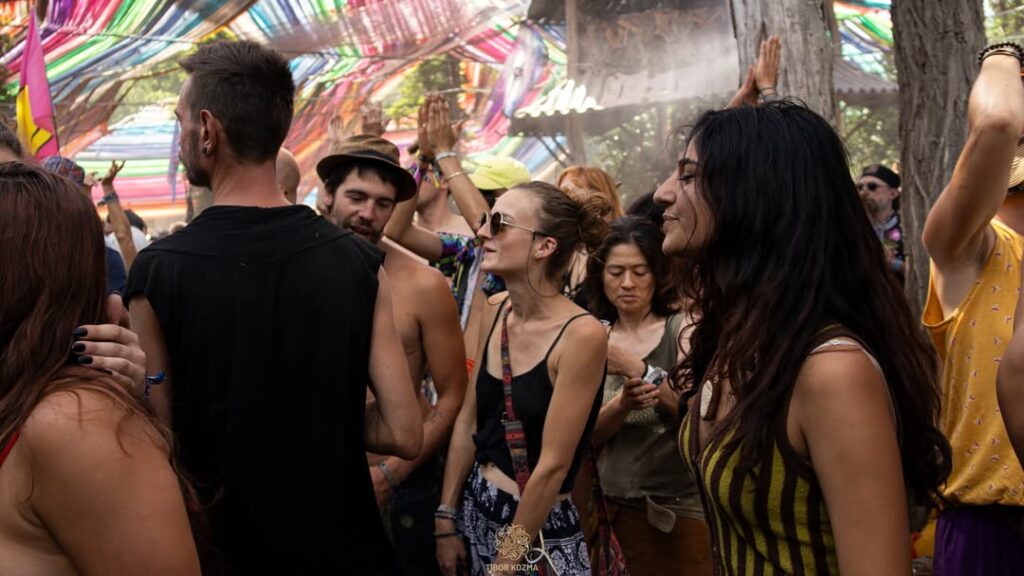
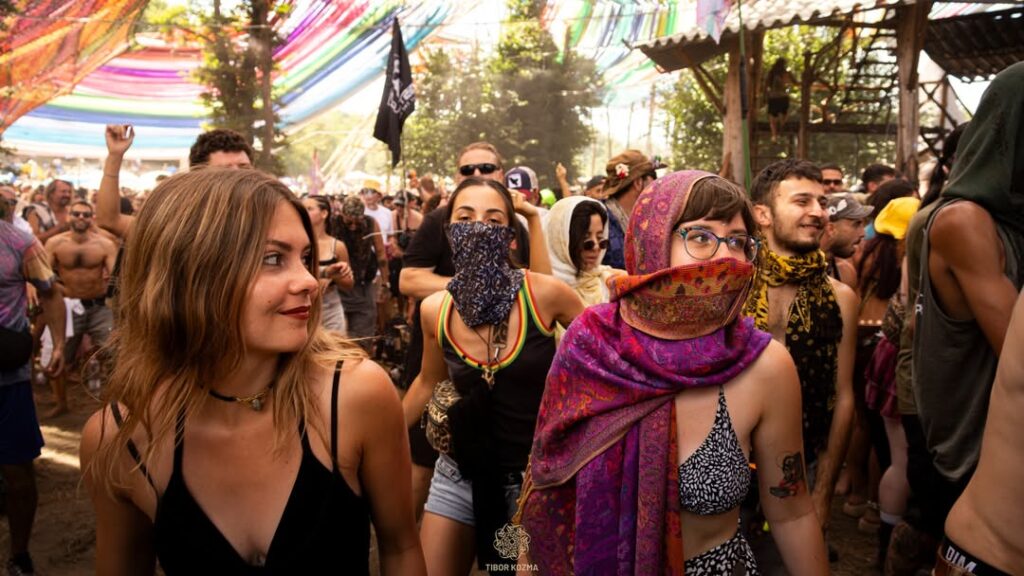
Arriving: the switch flips instantly
Once we arrived, life got good fast. We pitched up, found a shower, and went wandering — because that’s the first real O.Z.O.R.A. ritual: explore before you plan.
Very quickly, we found ourselves pulled toward sound and movement. Goa Gil was deep in a marathon session under the chill-out dome — hours blending into days like it was the most normal thing in the world. Then we saw the parade forming, moving through the grounds toward the main stage, carrying that unmistakable “something is beginning” energy.
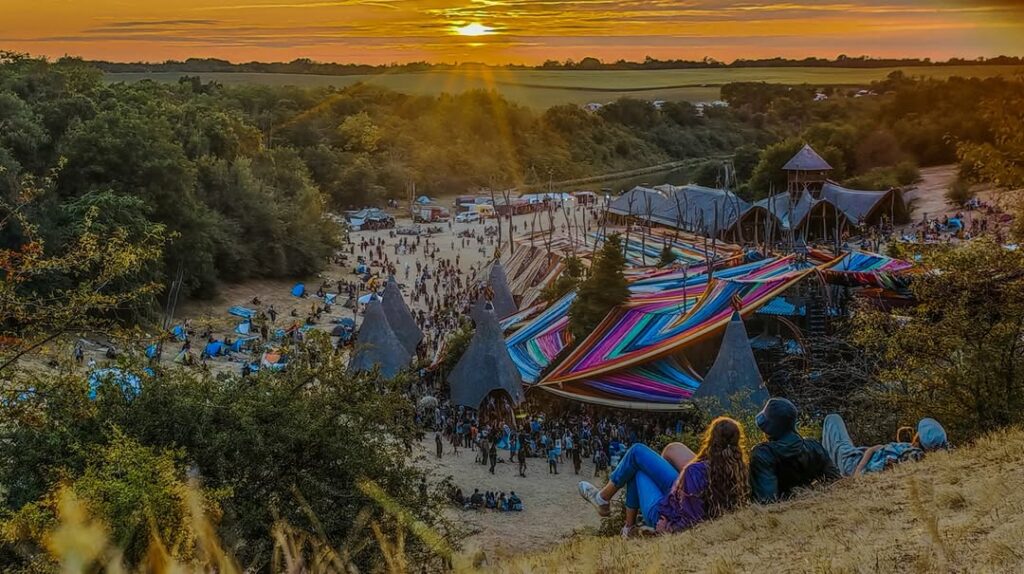
We climbed up to the top of the meadows to watch the start of the opening ceremony. It wasn’t our first time witnessing the moment when the dancefloor becomes a living organism — but it still hit us hard. Seeing the scale of it, the number of people gathered to celebrate life, dance, and collective freedom… it’s moving in a way that’s difficult to explain to anyone who hasn’t felt it.
In those moments, the illusion of separateness feels fragile. The daily-world idea that one person’s success requires another’s suffering starts to look ridiculous. At O.Z.O.R.A., togetherness isn’t a slogan — it’s the default setting.
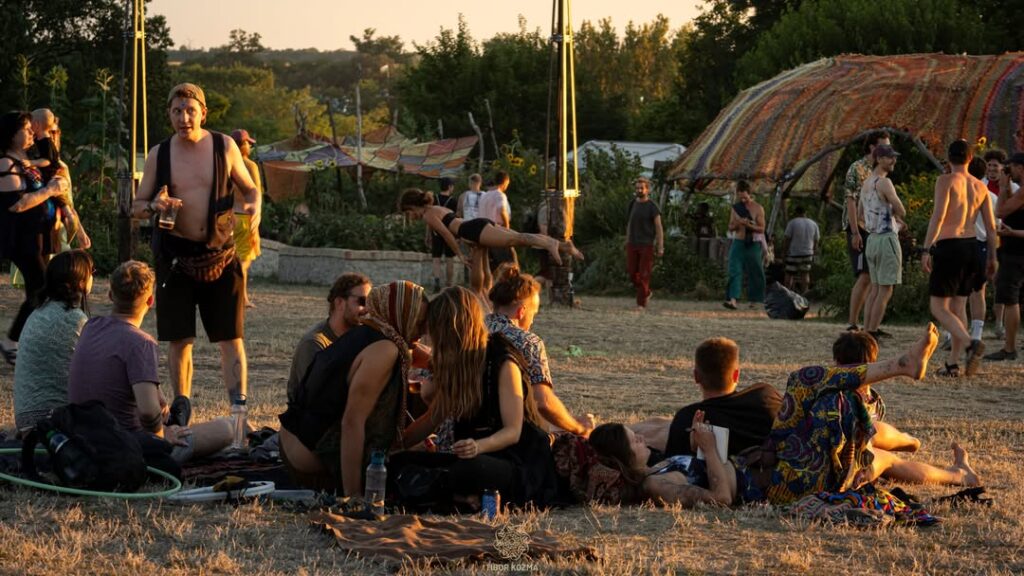

The main stage: where the week begins to breathe
The first main stage act we caught set the tone for what kind of festival this really is. O.Z.O.R.A. is known for psytrance, but it doesn’t throw you into one mood for seven days. It invites you into a wider sonic story.
That first evening felt like a statement: music here isn’t just “DJ time.” It’s a journey. We remember standing there thinking: this is how you open a world.
When Avalon took over with the first psytrance set, the crowd connection felt immediate — like everyone had been waiting all year to share the same flight path. The dancefloor wasn’t just reacting; it was participating.
And that’s something we kept noticing all week: the relationship between the crowd and the artists feels unusually alive. Not in an aggressive, hype-driven way — more like mutual trust.
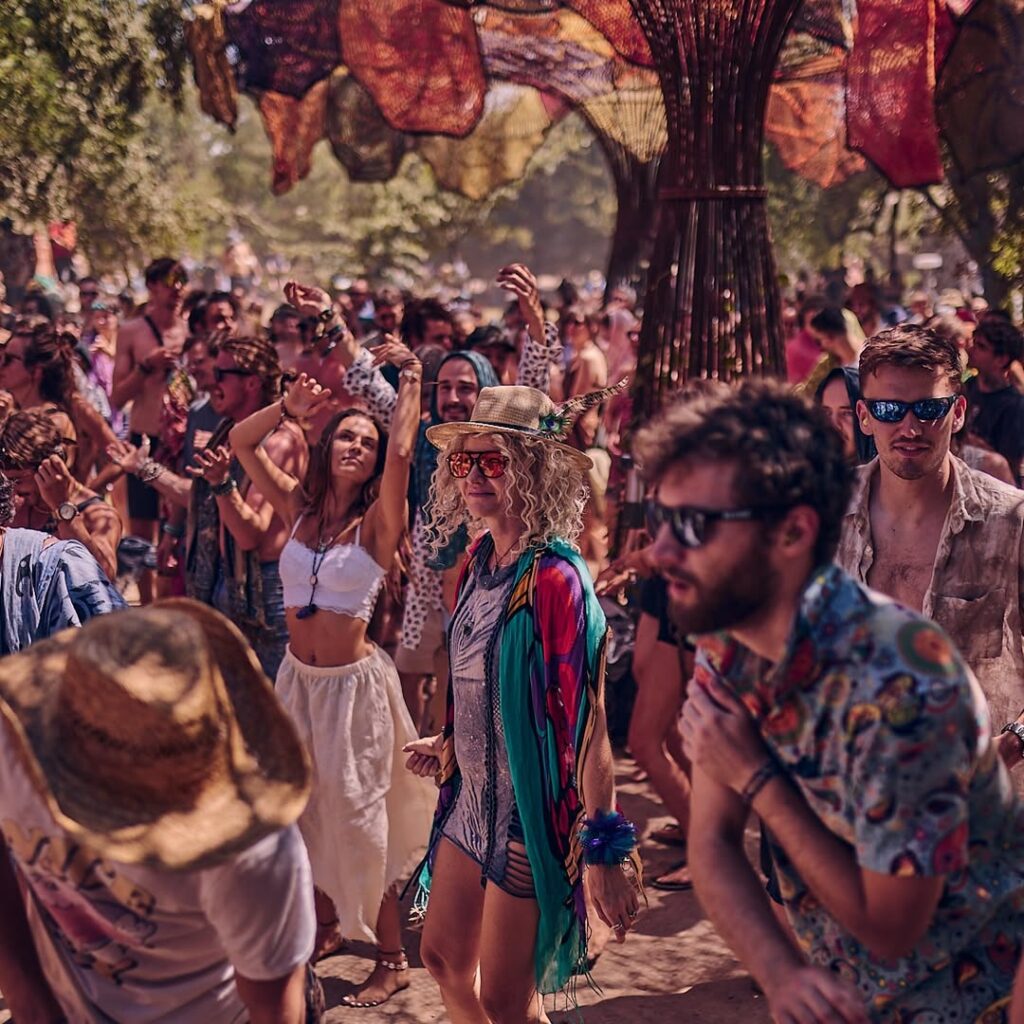
Dragon’s Nest: the wild side of the Ozorian spectrum
Later, we moved to Dragon’s Nest — a completely different energy and one of the places where O.Z.O.R.A. shows its personality best.
Dragon’s Nest has its own pace. It’s where you stumble into combinations of sound you didn’t know could work. One of our highlights was catching Gaudi’s Allstar Orchestra — a moment that felt like a privilege, especially because it wasn’t just “another set.” It was a reminder that O.Z.O.R.A. is built for discovery.
We ended the night back at the main stage with a proper deep closer from a label head we’d wanted to see in that setting for years. By the time we crawled into our tents, we already knew: this was going to be a special edition.
Heat, shade, and the daily rhythm of survival (and joy)
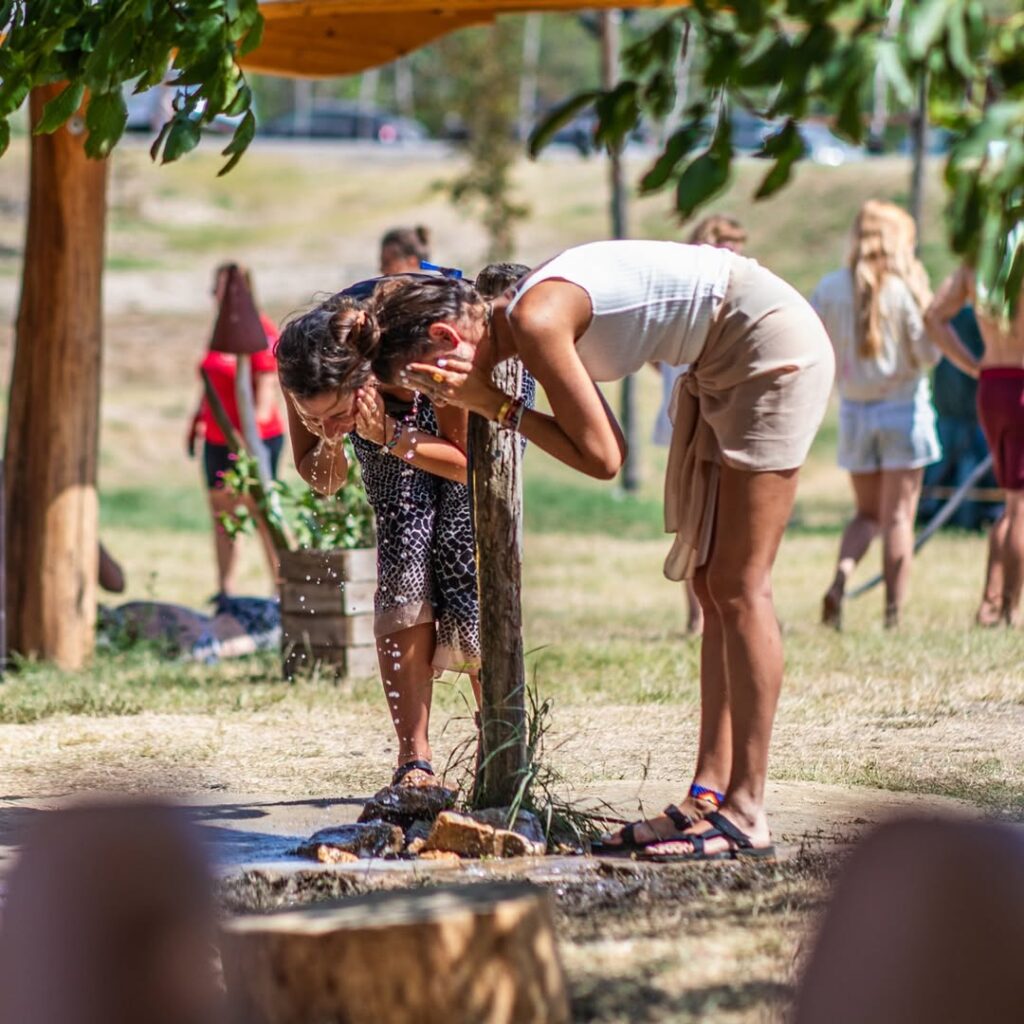
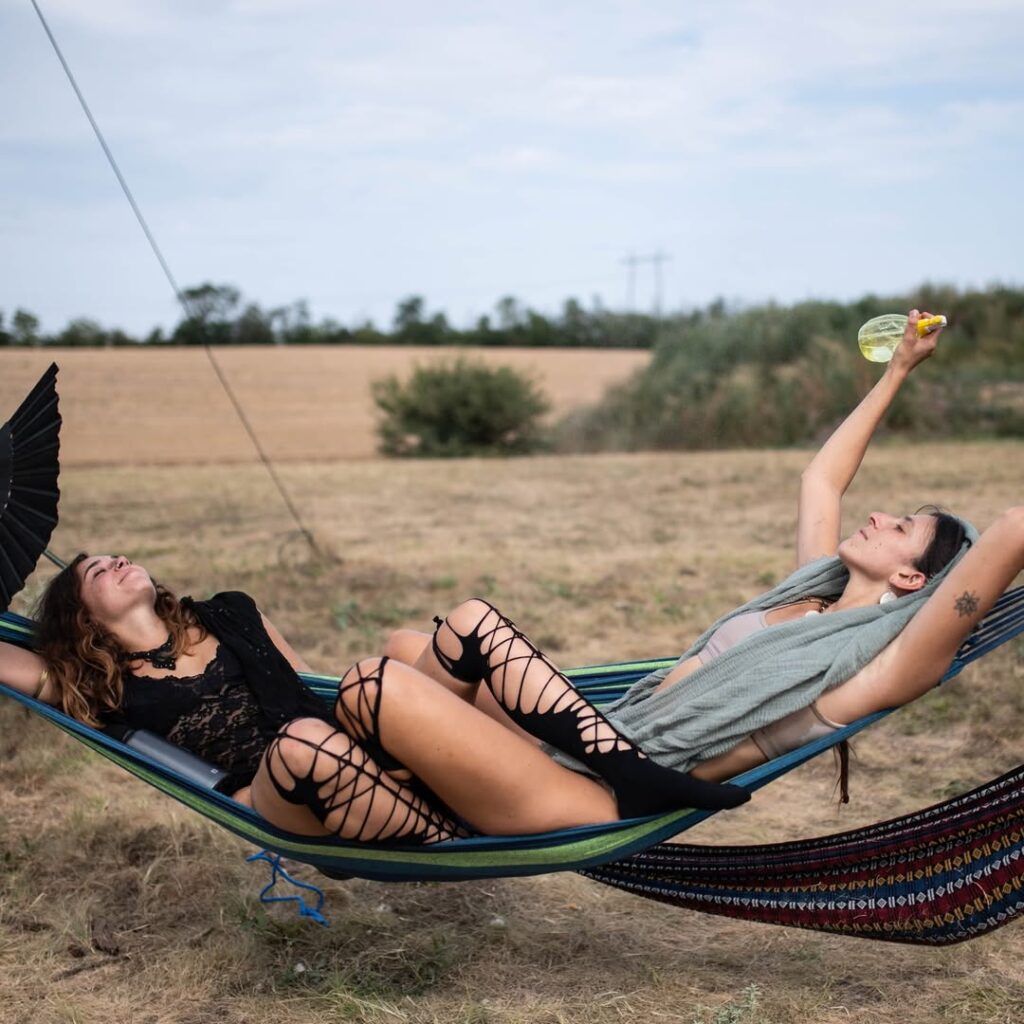
By Tuesday morning, reality arrived in the form of sunlight turning our tent into a pressure cooker. The lesson came quickly: shade is everything. We relocated, found a better spot, and learned to treat daytime like a strategic game: rest, hydrate, eat properly, and save your intensity for the moments that matter.
One of the reasons O.Z.O.R.A. works so well is the way the site supports that rhythm. It doesn’t feel like you’re trapped in constant chaos. You can disappear into calm spaces, reset, and return.
And the food? Surprisingly good — especially for anyone who likes plant-based options. We fell hard (again) for Green Fusion. There are a lot of solid vegan spots, but Green Fusion has a special place in our hearts — the kind of food that makes you feel like you’re taking care of yourself while still fully living the festival.
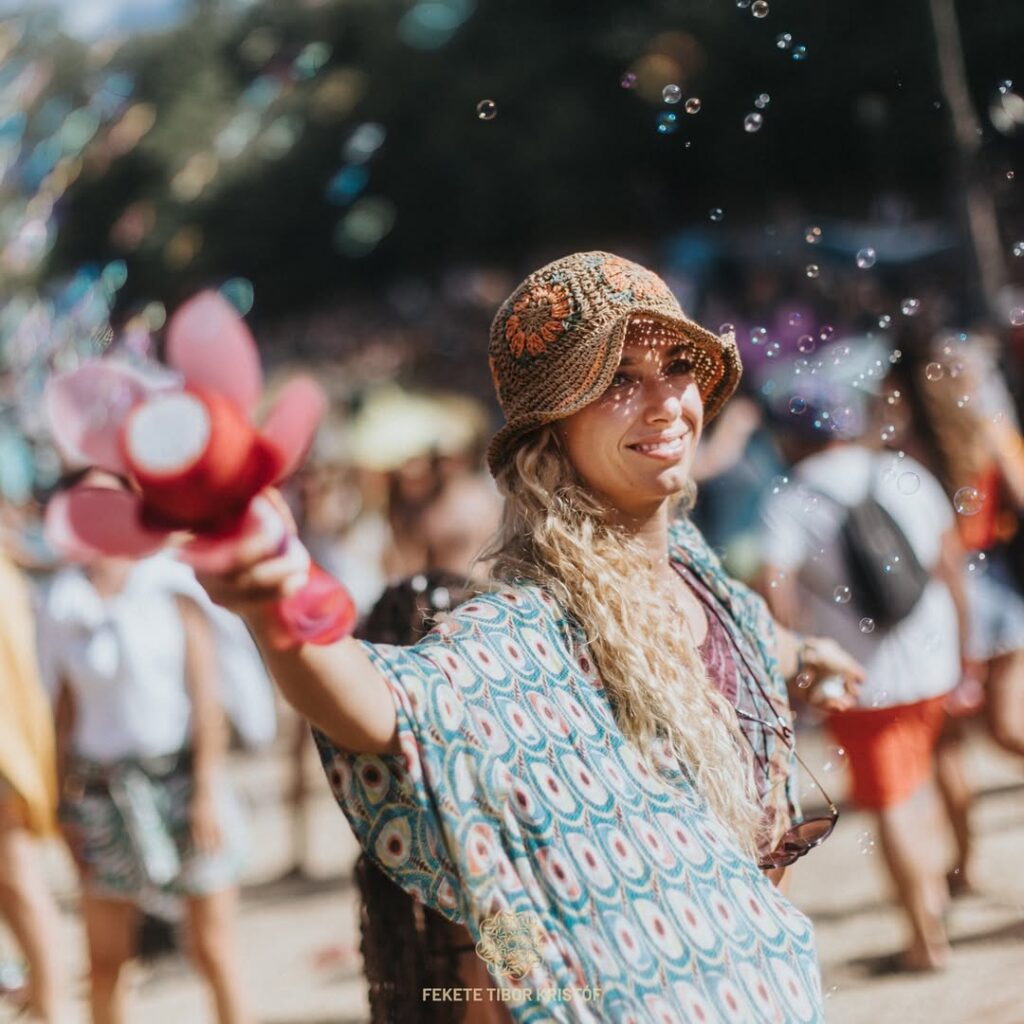
The decor: a psychedelic city that keeps evolving
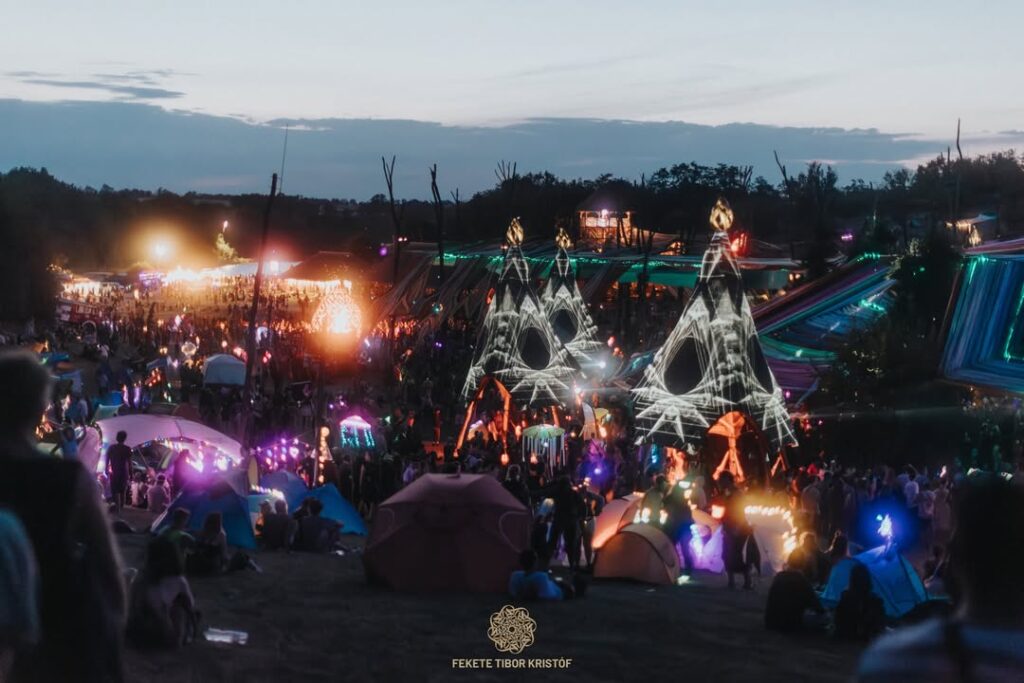
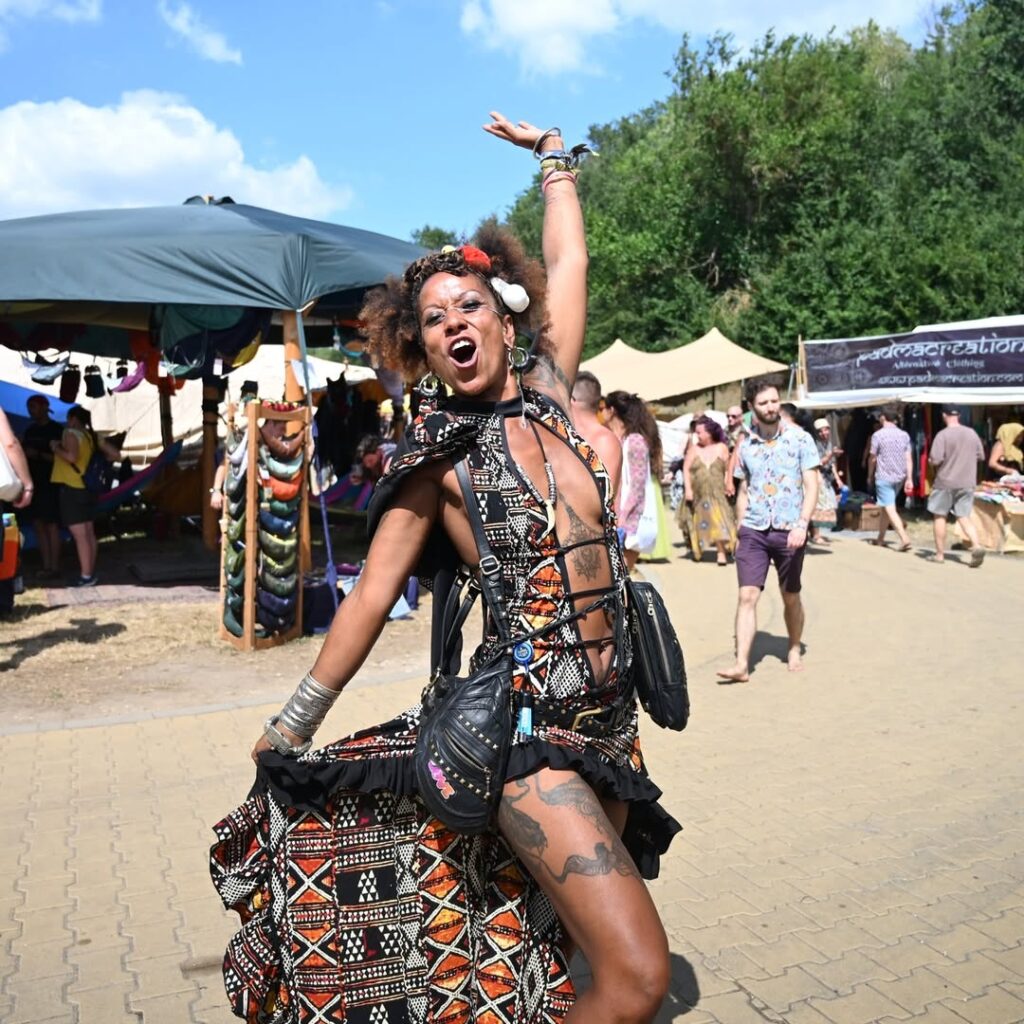
O.Z.O.R.A.’s visual world is its own form of storytelling. In 2025, we kept catching ourselves looking up and stopping mid-walk because the details are genuinely unreal.
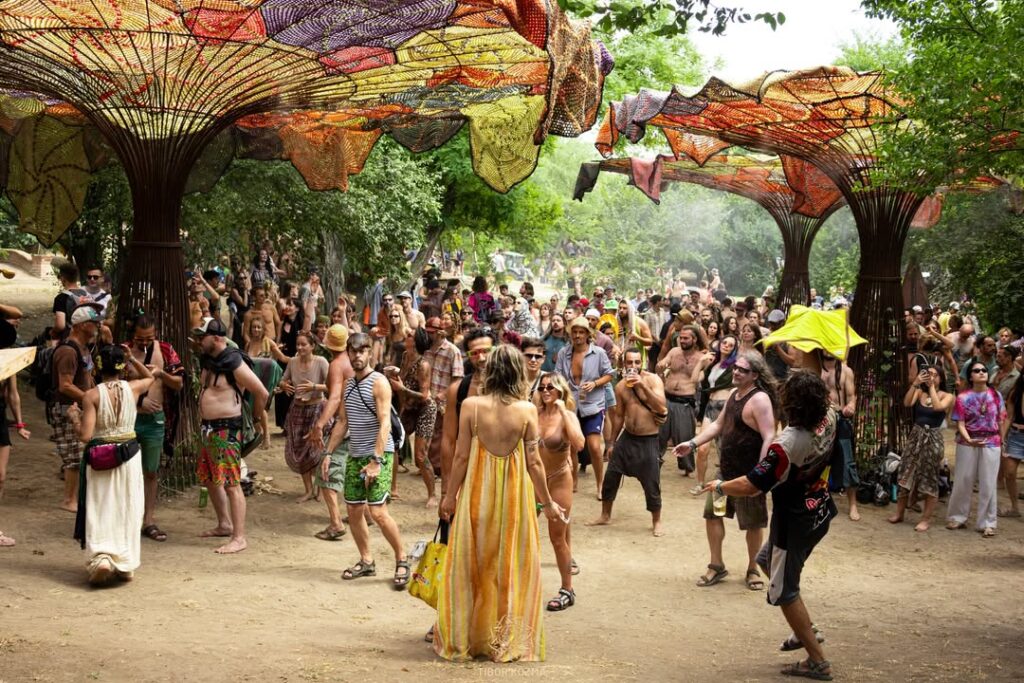
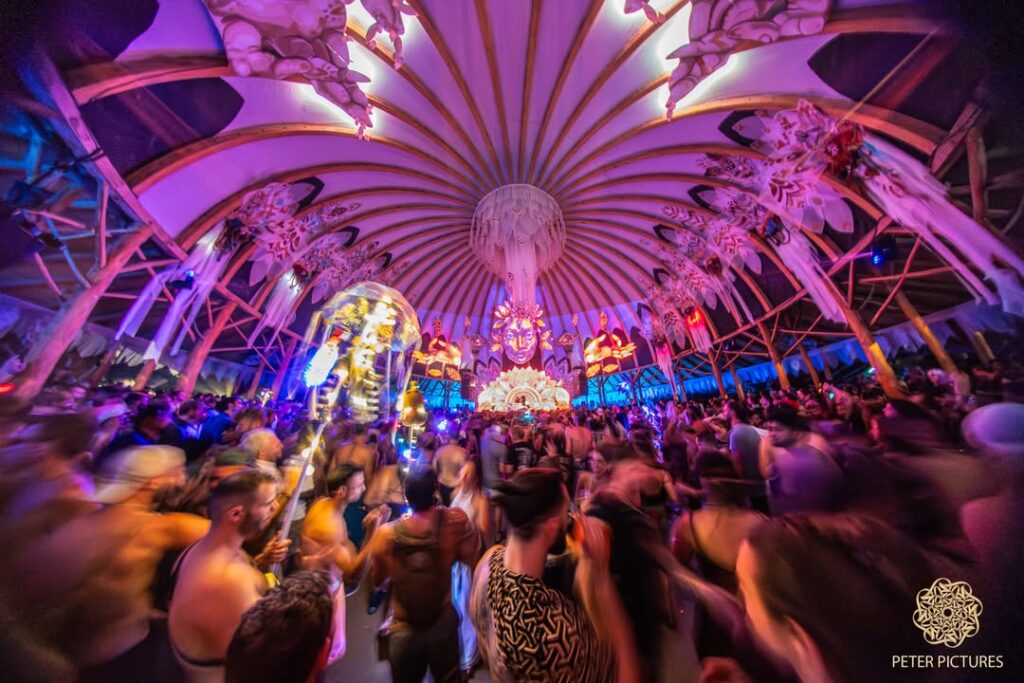
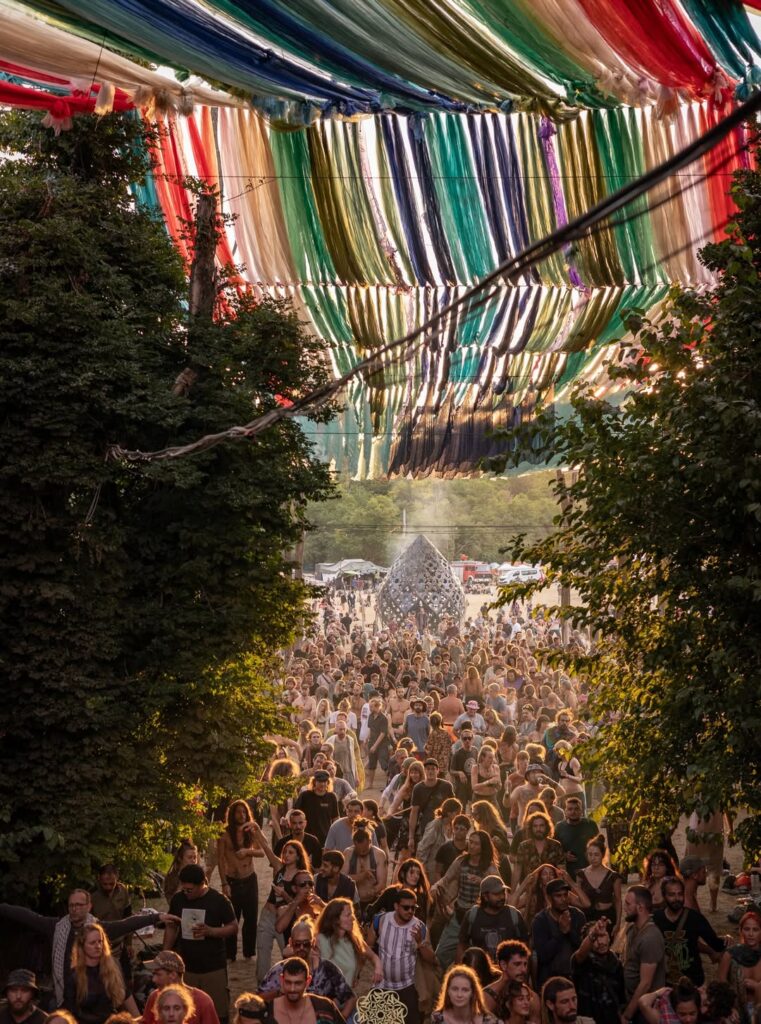
A standout for us was the hand-woven shade structure over the main area — functional by day, hypnotic by night. Thousands of hanging LED lights turn the space into something between a sacred canopy and a futuristic dream, all leading your eyes toward the iconic tree focal point that feels like the heart of the valley.
What makes it special isn’t just “how it looks,” but how it’s integrated. It doesn’t feel like a theme park. It feels like a community built a universe and then invited you to live inside it for a week.
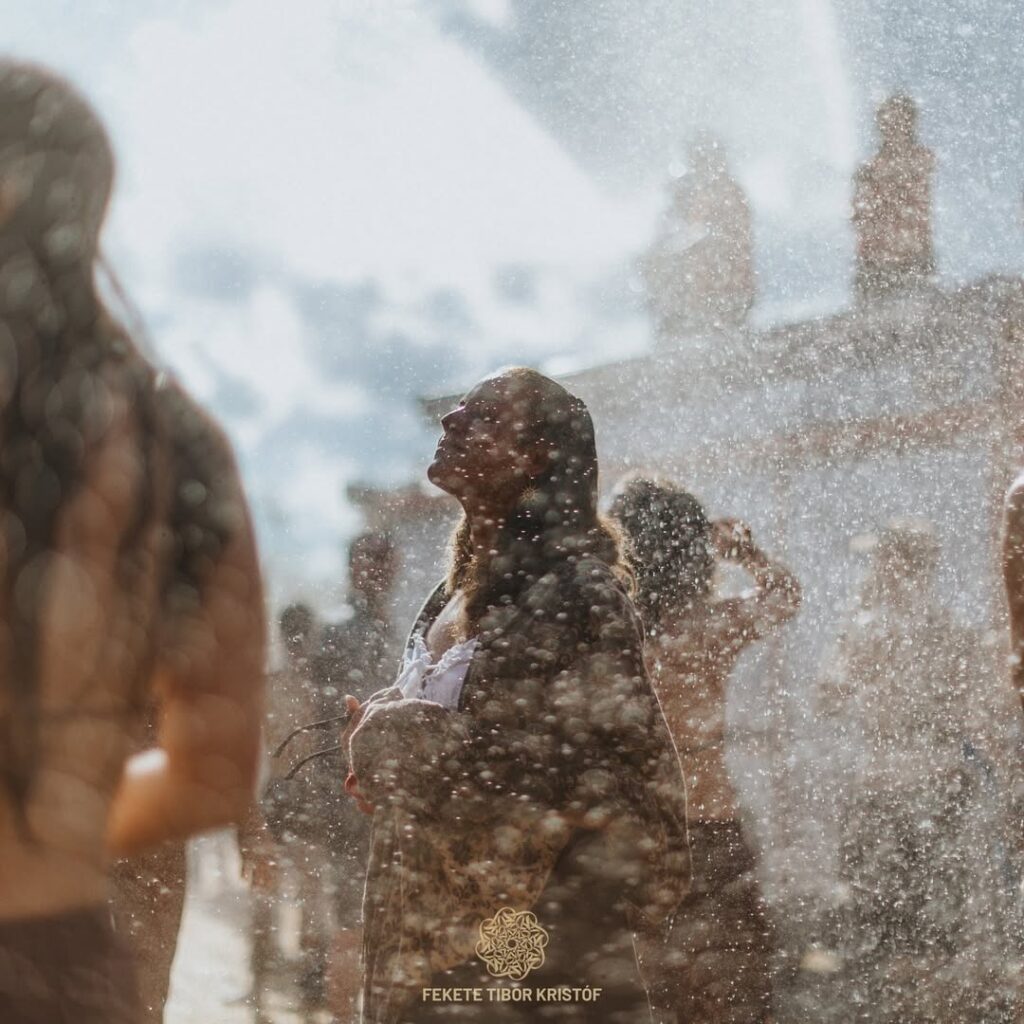
Pumpui and the techno heartbeat
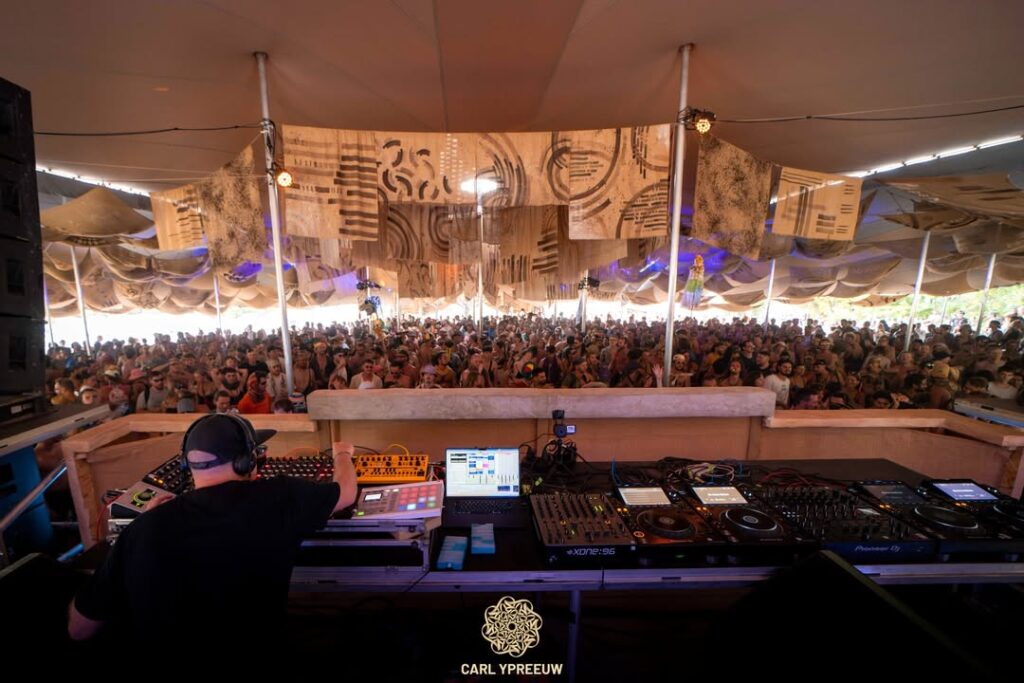
If the main stage is the central nervous system, Pumpui is a heartbeat with its own logic. This is where we went when we wanted something hypnotic and groove-forward — the kind of music that makes you dance with your whole spine instead of just your legs.
One of our favourite nights there was a full deep dive into the techno side of the festival — long sets, proper progression, and a dancefloor that felt intimate even when it was packed. Pumpui has this magic ability to feel like a “secret,” even though everyone knows about it.
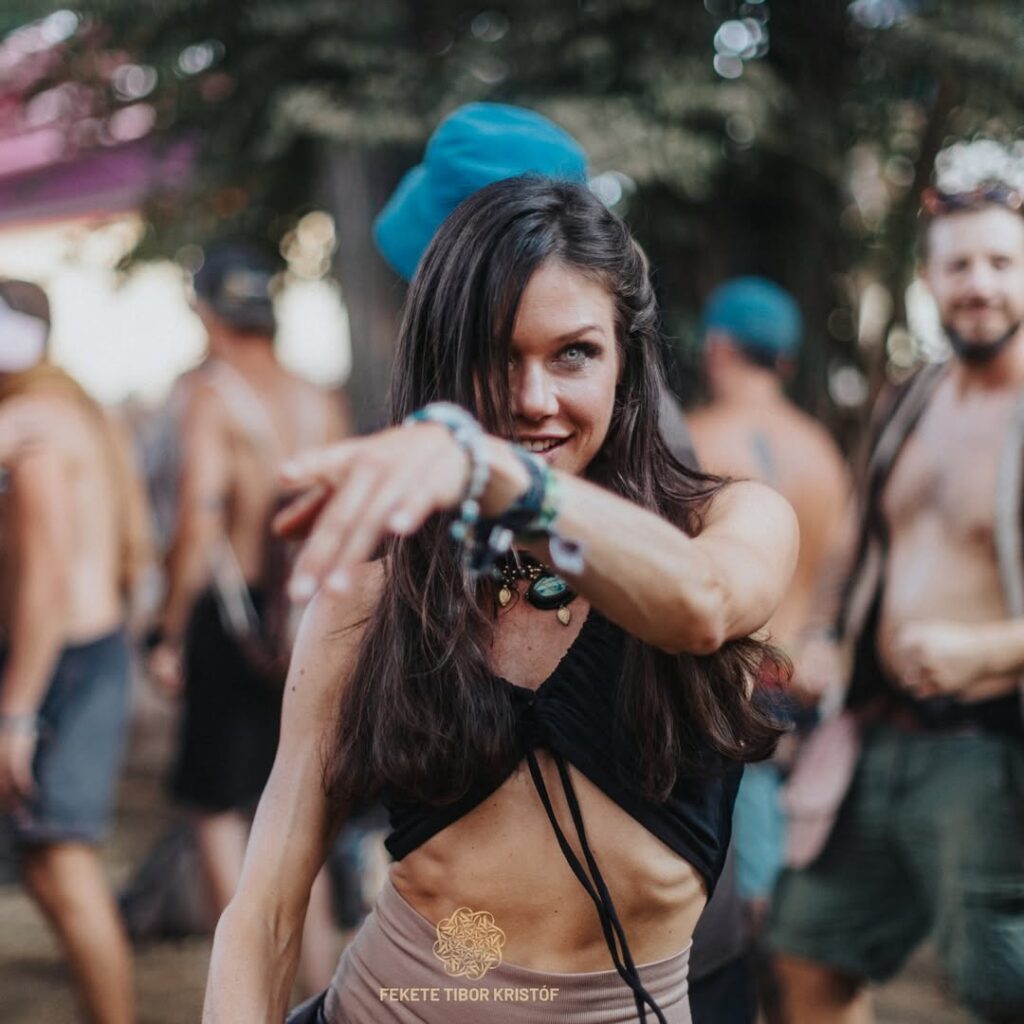
The Dome: a sanctuary for soft landings
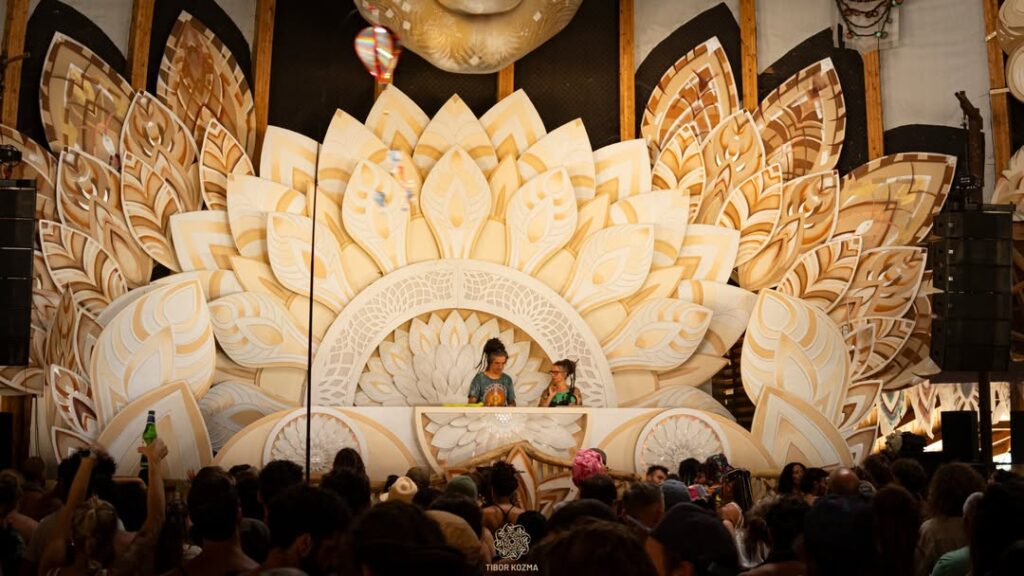
At some point in the week, everyone needs a sanctuary — and for us, The Dome is that place.
Sand underfoot, a stage that feels mythic, and a sound palette that lets your nervous system breathe. Whether you arrive there sober at sunrise or slightly fried at 4 a.m., the Dome holds you in a way that feels gentle but still powerful.
O.Z.O.R.A. does this better than most festivals: it understands that intensity needs contrast. You can go full-throttle at the main stage, then walk into an entirely different world and feel your body return to itself.
What surprised us most: the culture of respect
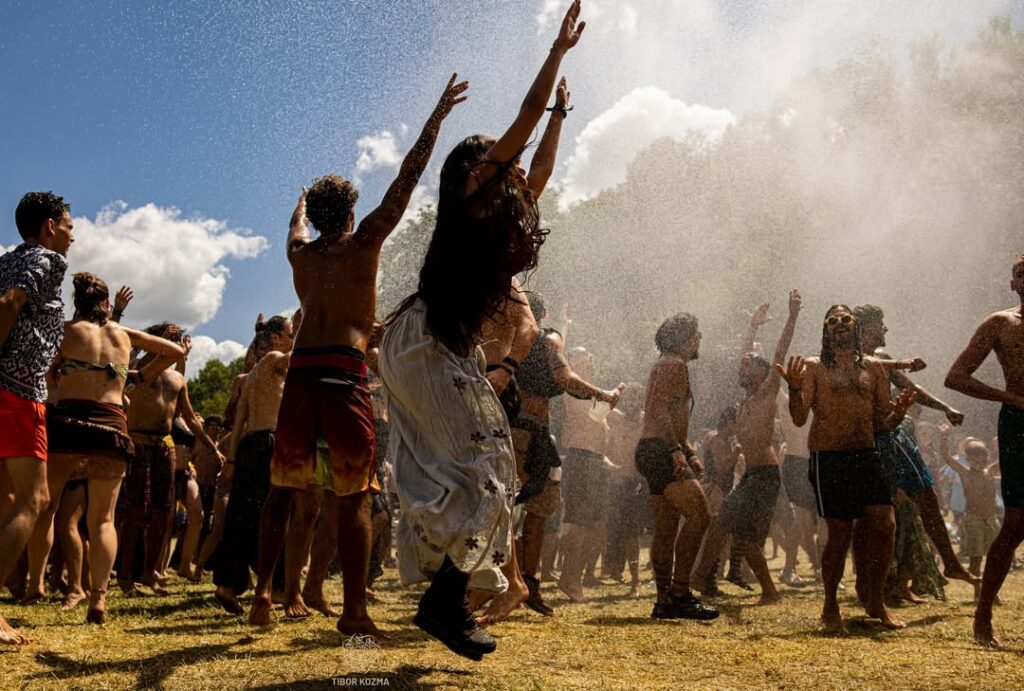
One of the most important things we took from 2025 wasn’t a setlist — it was the collective behaviour.
The way people handled the lake not opening yet was symbolic: this crowd understands boundaries. And when tens of thousands of people can respect a boundary, something bigger is happening.
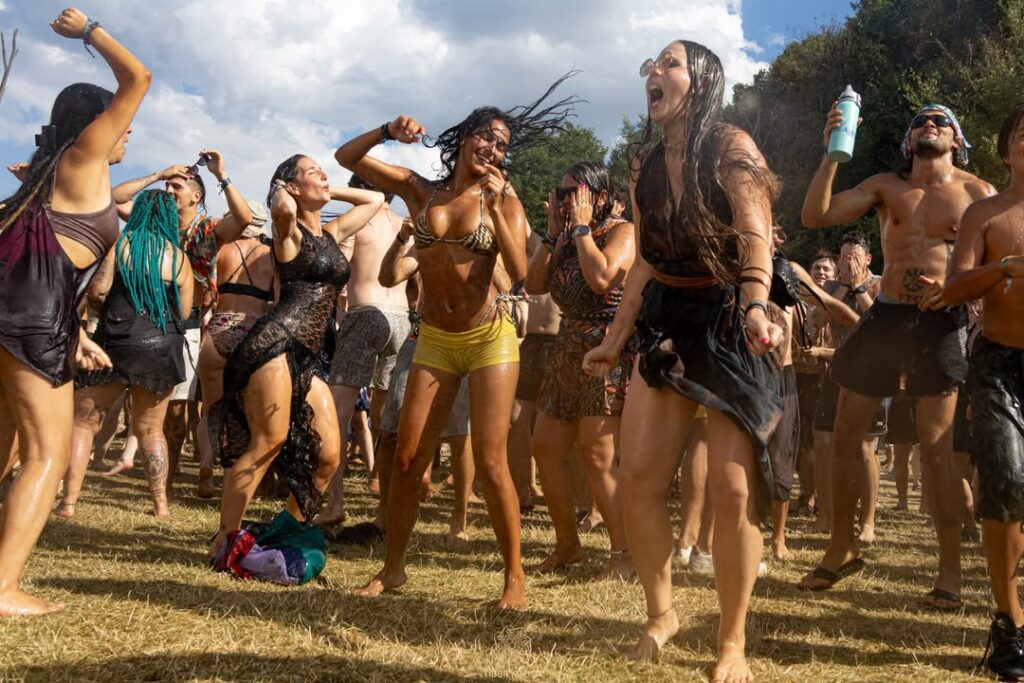
Throughout the week, we kept seeing small moments of care: people returning lost items, making space, helping strangers, keeping the site clean, moving through crowds without aggression. It’s not perfect — no festival is — but the baseline culture here is noticeably different.
Leaving O.Z.O.R.A.: taking the lesson home
Leaving always feels strange. You pack your tent, walk the same paths with your bags, and your body starts re-learning “real life” again. But what stays is the feeling that this place offers a blueprint — not a fantasy, but a reminder.
At O.Z.O.R.A., differences don’t separate people; they add colour. The diversity of languages, styles, ages, and energies doesn’t create friction — it creates texture. And for one week, that texture becomes a temporary civilisation.
We left with gratitude — for the crew, for the artists, for the Ozorians, and for the strange miracle of a field in Hungary that keeps teaching the world what togetherness can look like.
And yes: we can’t wait to return.