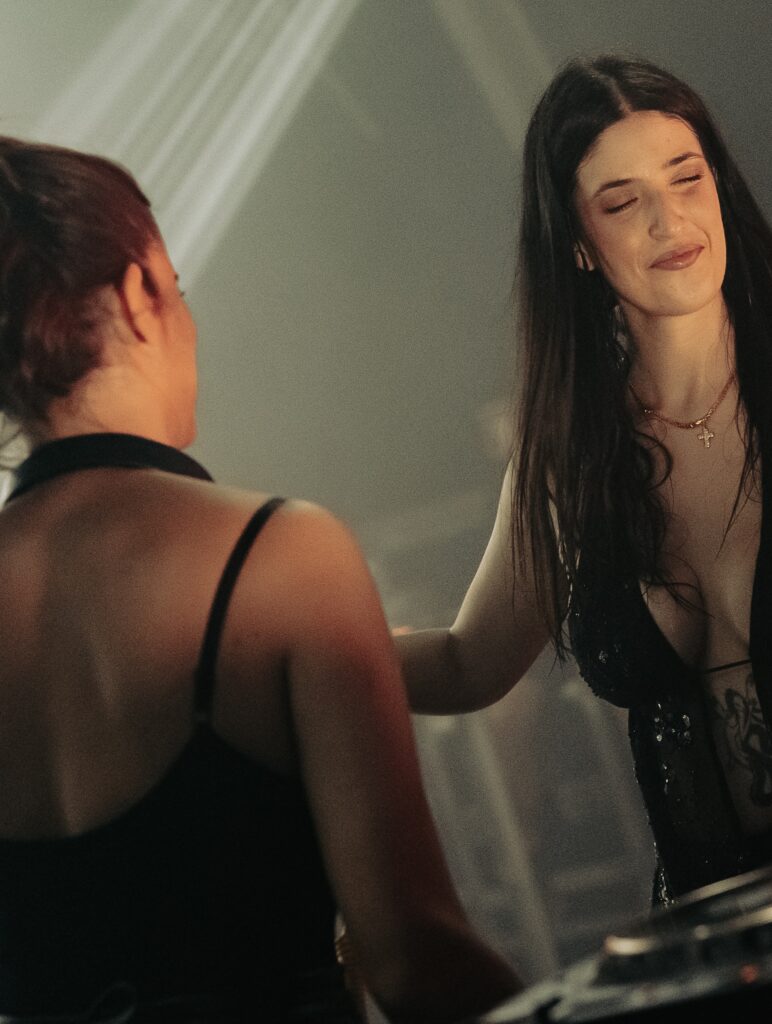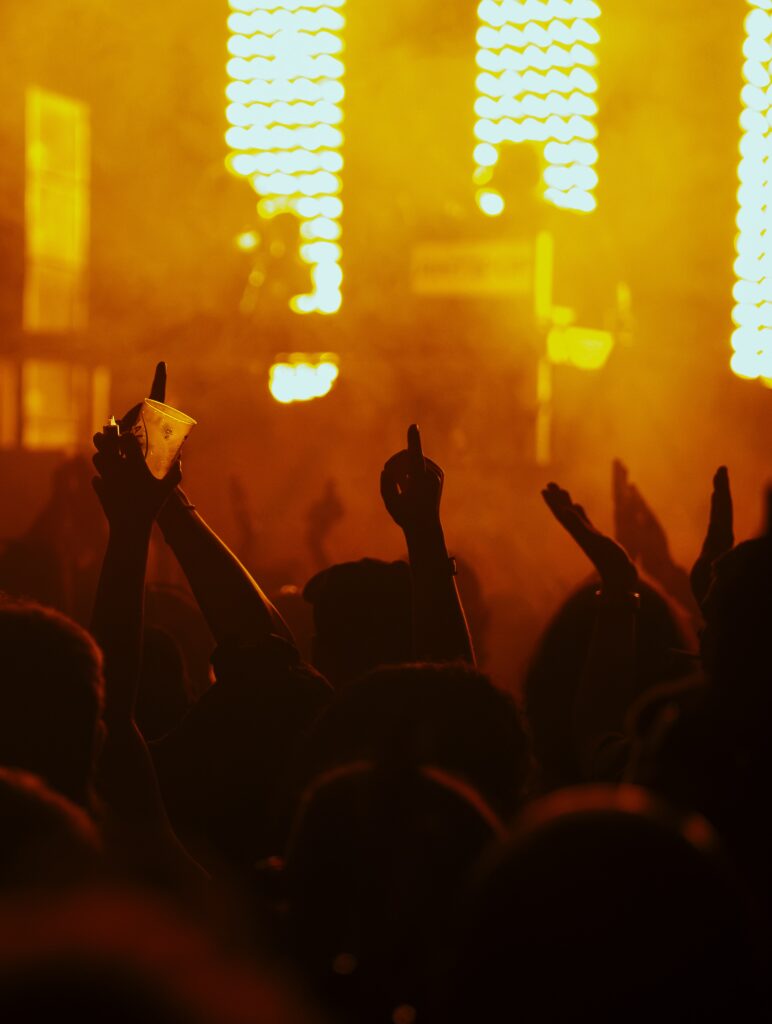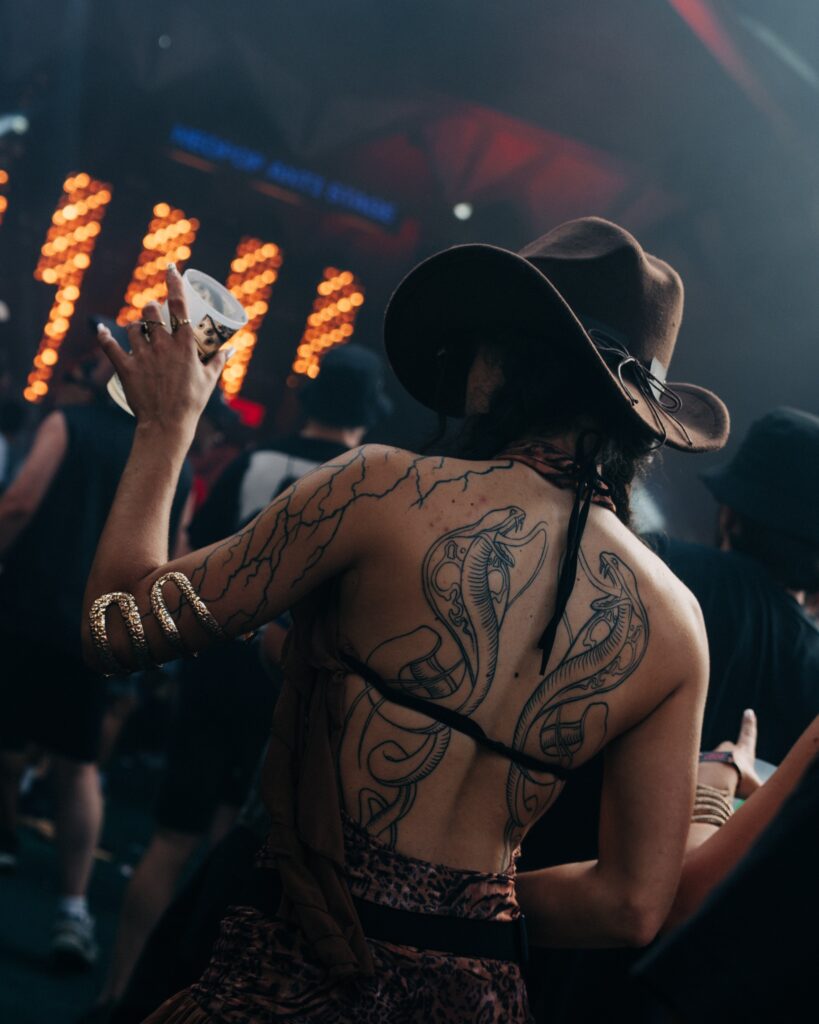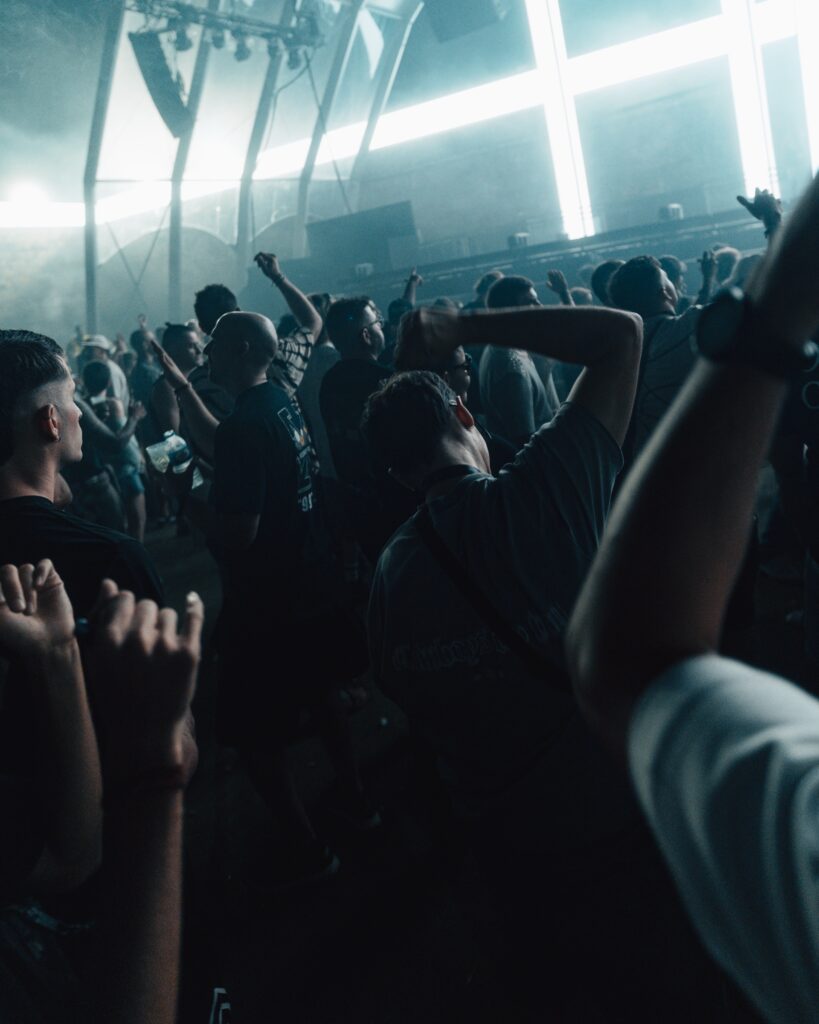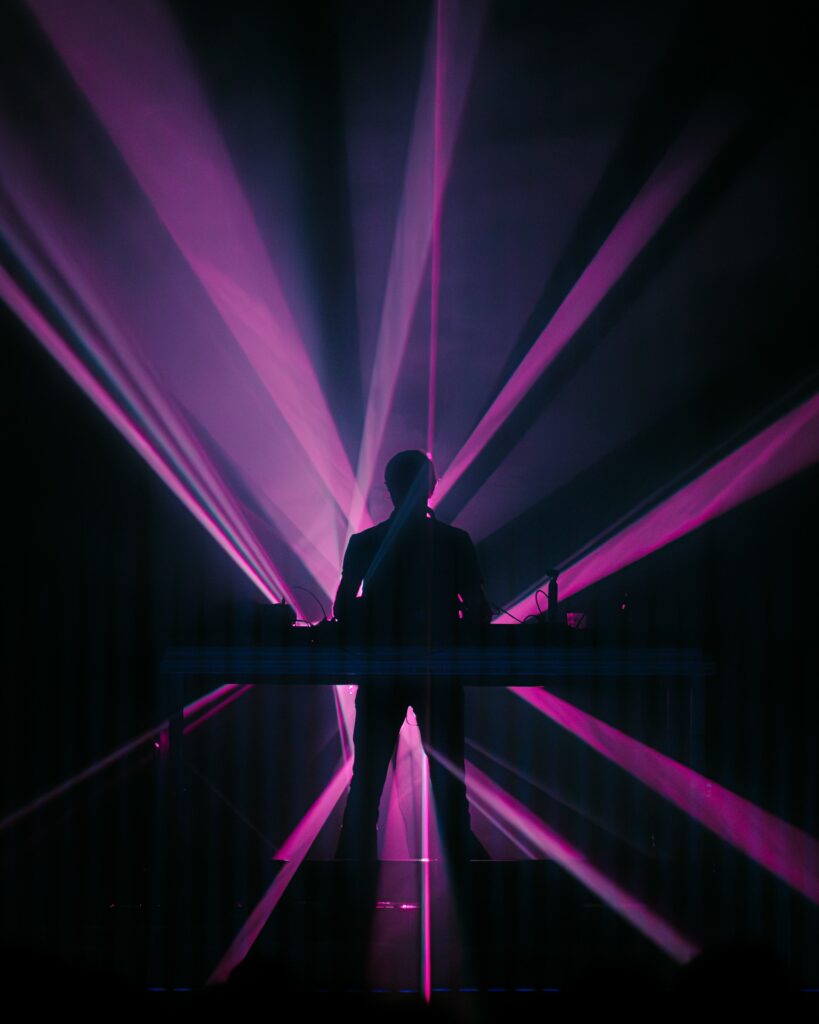
There are festivals that become part of a city's identity, and NEOPOP is undoubtedly one of them. Returning to Viana do Castelo from 6 to 8 August 2026 for its 20th anniversary, the festival had plenty to celebrate, but what made this edition particularly memorable was the way it managed to look backwards and forwards at the same time. The return of the ANTIPOP name brought the festival closer to its roots and its original disruptive philosophy, while a completely renewed setup, a new stage and an exceptional lineup demonstrated that NEOPOP is still very much focused on the future.
Having experienced the 2026 edition ourselves, we came away with the feeling that this was one of those festival weekends where the different elements came together exceptionally well. The music was obviously at the centre of the experience, with some of the most respected names in electronic music taking over Forte de Santiago da Barra, but the setting, production, visual identity and atmosphere were equally important.
There was a genuine sense that this was a special edition. Twenty years is a remarkable achievement for any electronic music festival, particularly one that has remained so committed to underground culture and to pushing the boundaries of the scene. NEOPOP has grown considerably since its early days, but the 2026 edition showed that becoming an established name has not meant abandoning the rebellious spirit that helped create it.
The decision to bring back ANTIPOP as the theme of the 20th anniversary was therefore more than a nostalgic gesture. It felt like a statement. The festival was celebrating where it came from while making it clear that its future would continue to be about experimentation, innovation and challenging conventions.
And, after spending three days in Viana do Castelo, that philosophy was very easy to understand.
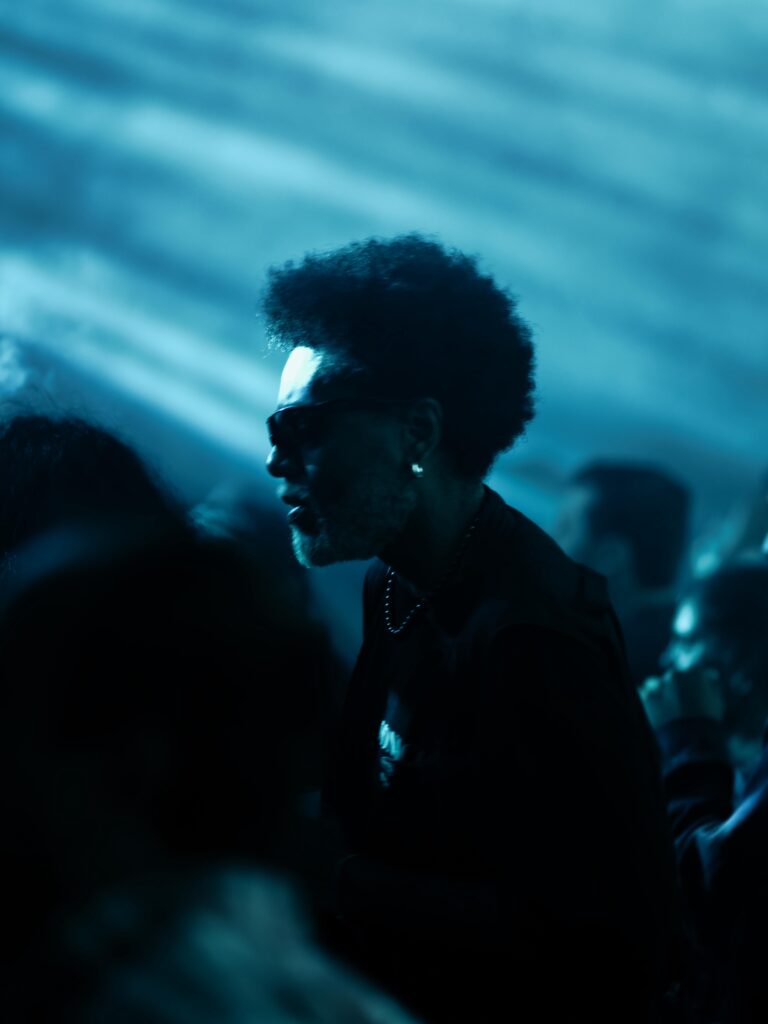
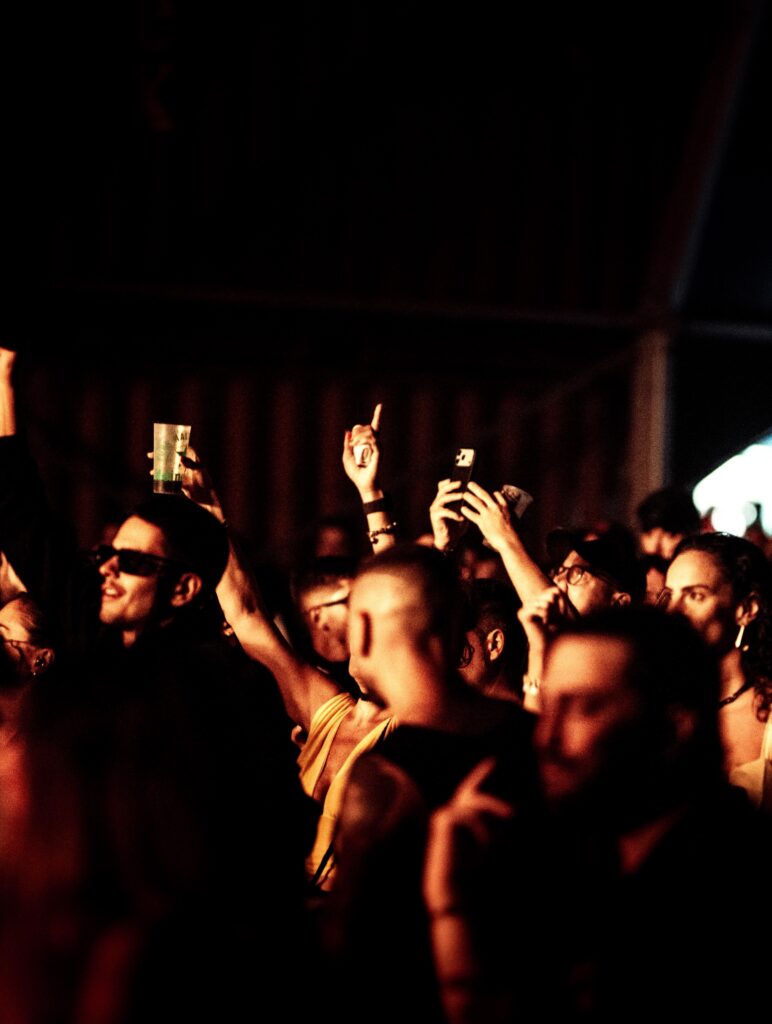
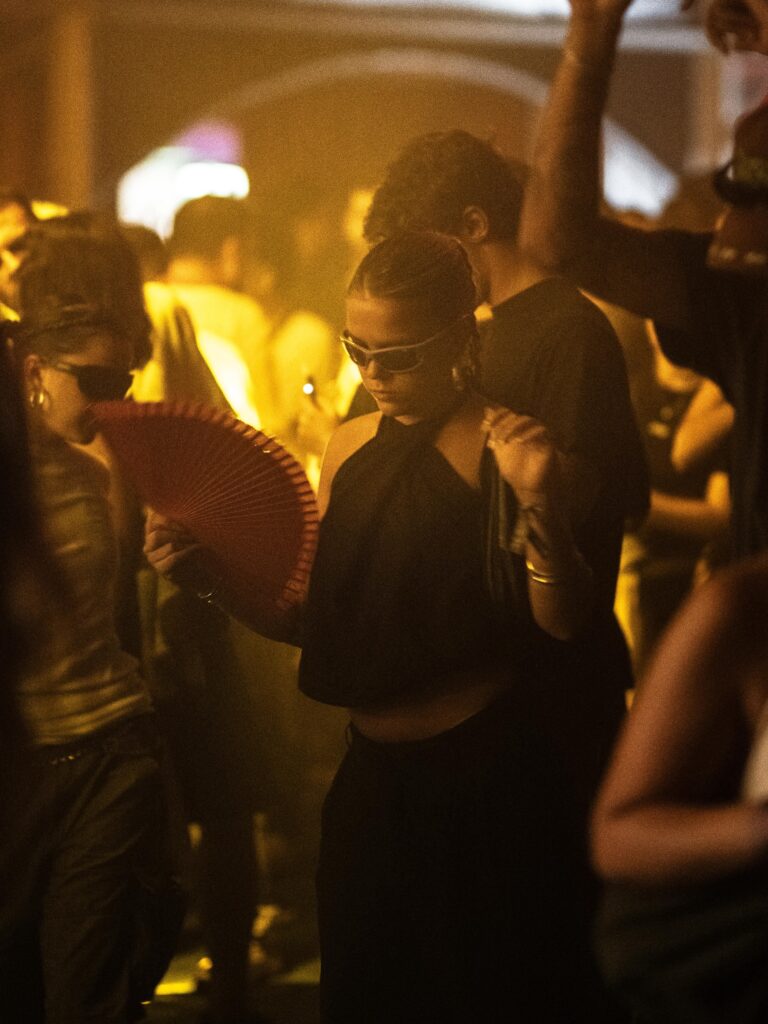
Twenty years of NEOPOP, with ANTIPOP looking to the future
The return of the ANTIPOP name was one of the most interesting aspects of the 2026 edition. It connected the anniversary directly to the festival's early identity, when NEOPOP was still operating within a much smaller and more underground electronic music scene.
Two decades later, electronic music has become a global phenomenon. Artists who were once known almost exclusively within underground circles now headline some of the world's biggest festivals, while techno and house have become part of mainstream international culture.
NEOPOP has grown alongside that transformation.
What is impressive is that it has managed to become an essential destination for major electronic music artists without losing the philosophy that made it distinctive in the first place. The ANTIPOP concept reinforced that idea throughout the 2026 edition.
Rather than simply celebrating 20 years by looking backwards, the festival used the anniversary as an opportunity to question where electronic music is going next.
That was particularly evident in the programming and production.
The lineup was enormous, but it did not feel built simply around a hierarchy of superstar names. The festival deliberately presented artists on equal footing, with the names listed alphabetically rather than according to the conventional headliner structure. It was a small but powerful gesture, and one that fitted perfectly with the ANTIPOP philosophy.
The message was clear: NEOPOP is interested in the music first.
A major upgrade to the festival setup
One of the biggest changes at NEOPOP 2026 was immediately noticeable when we entered the festival.
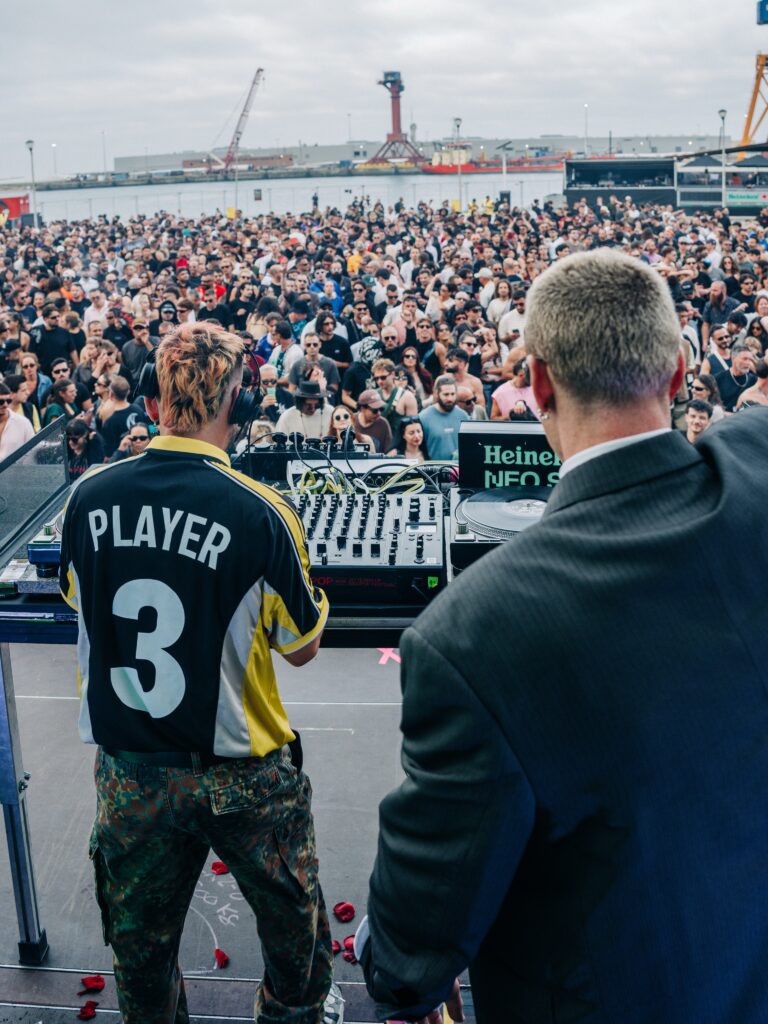
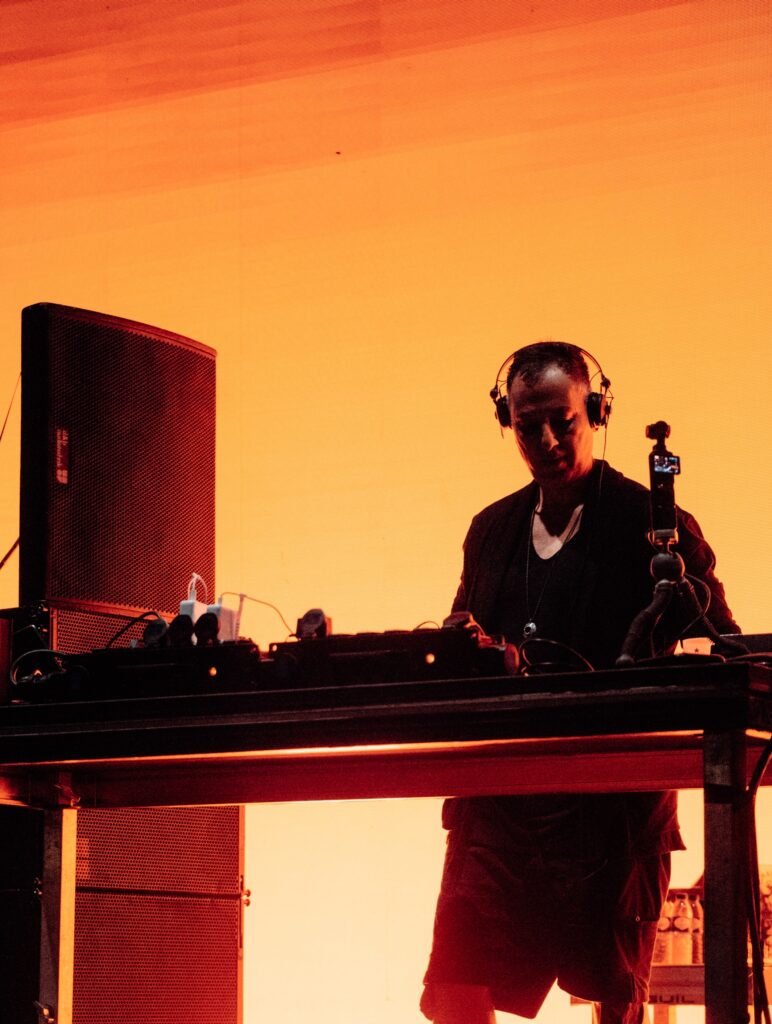
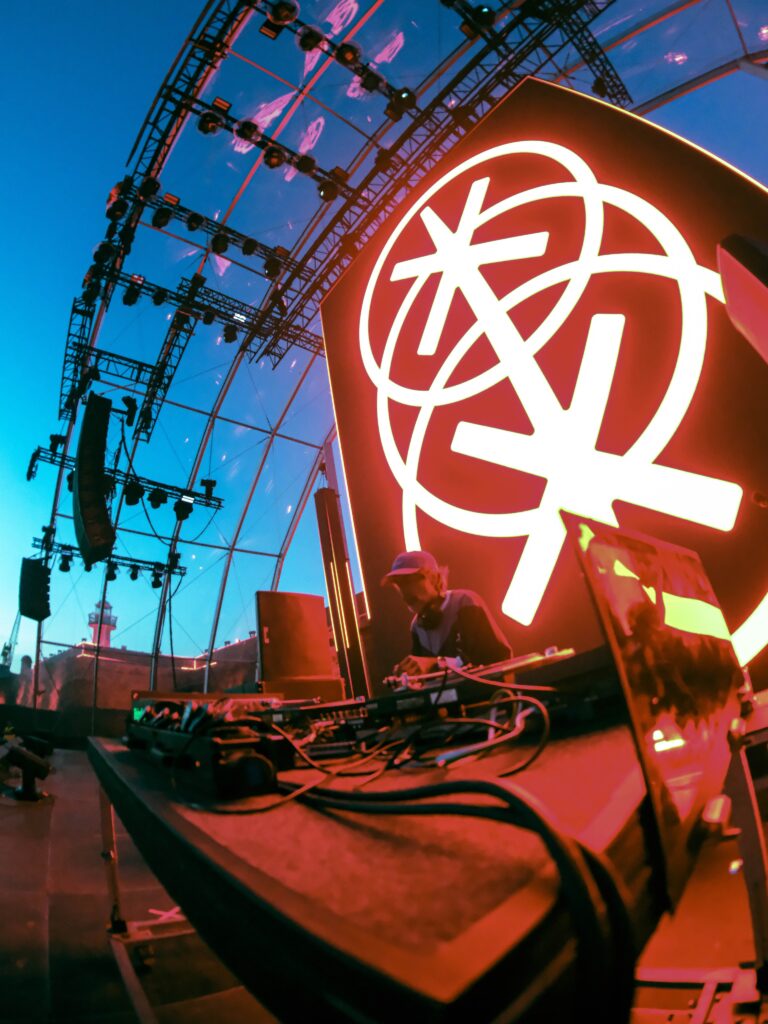
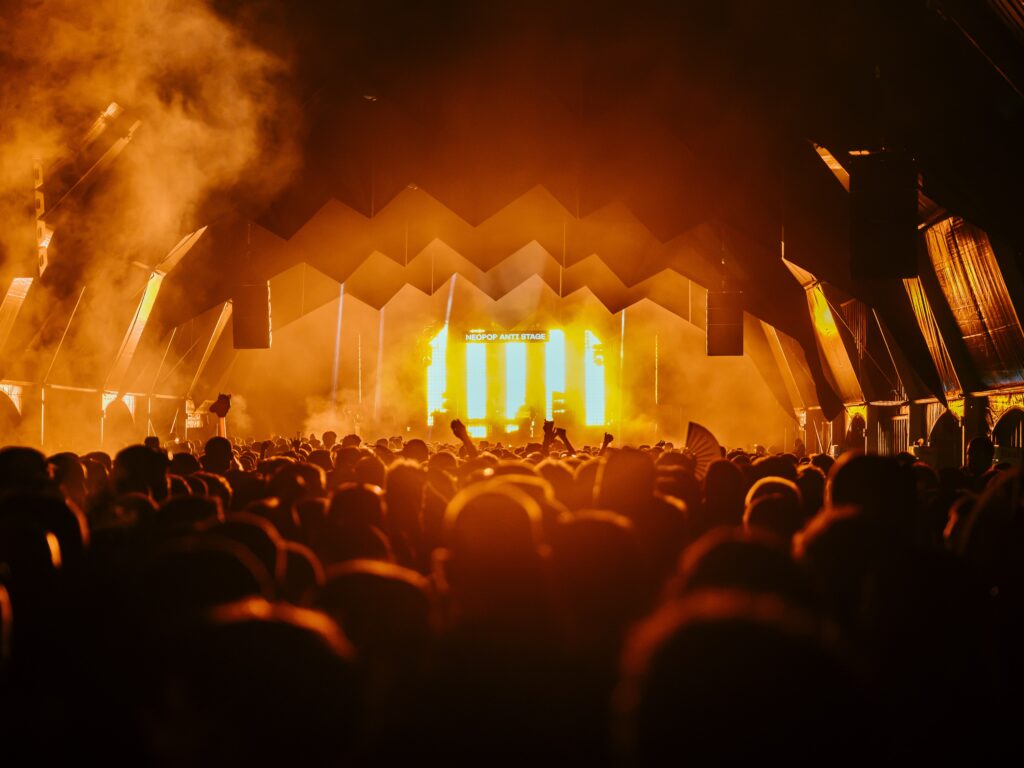
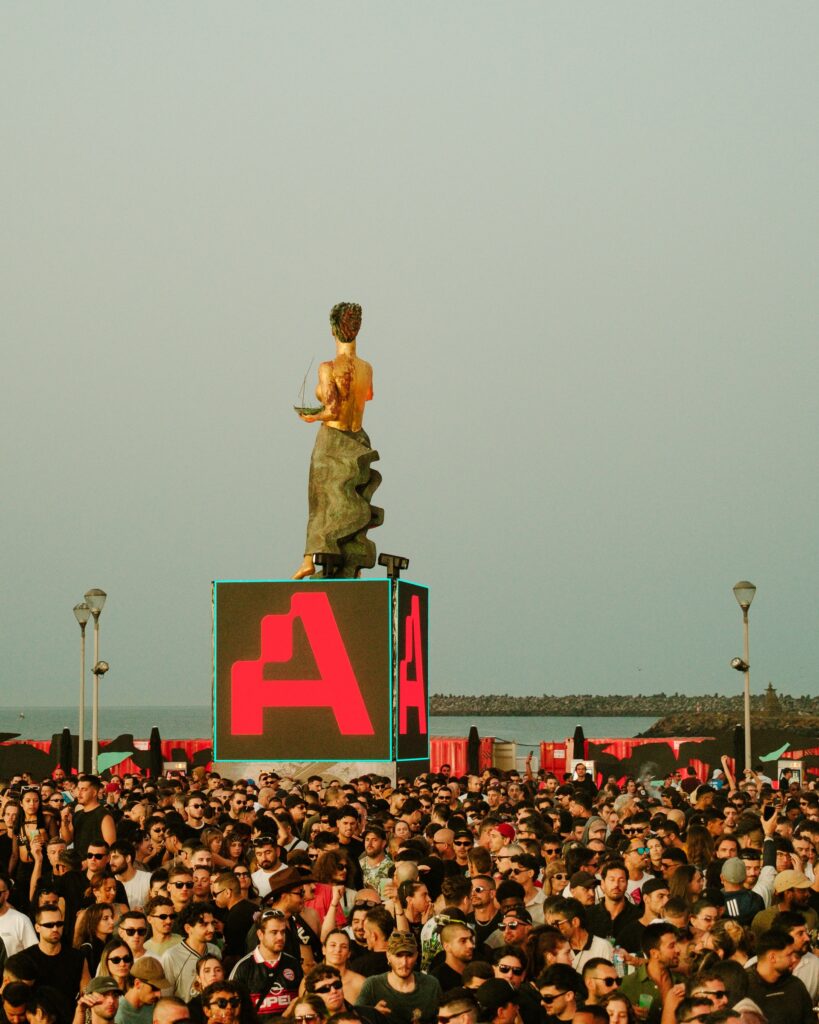
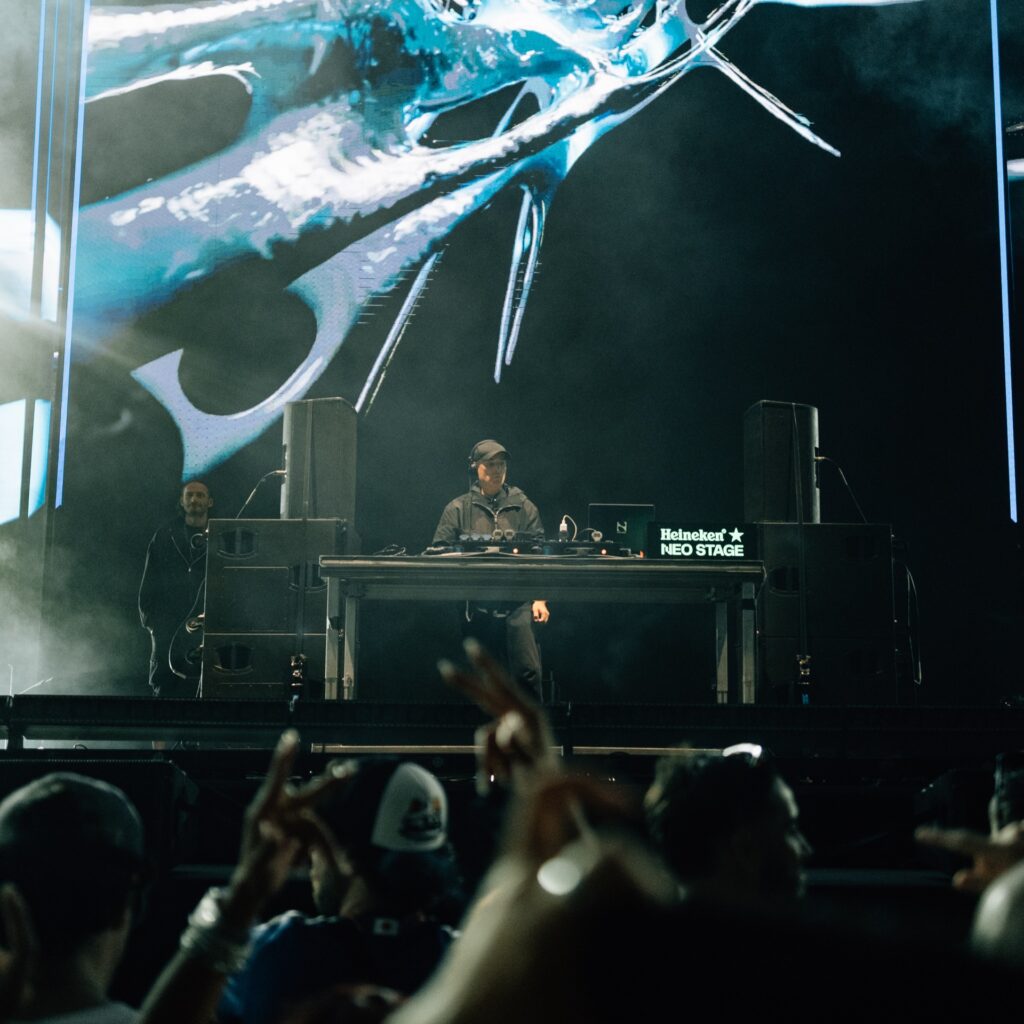
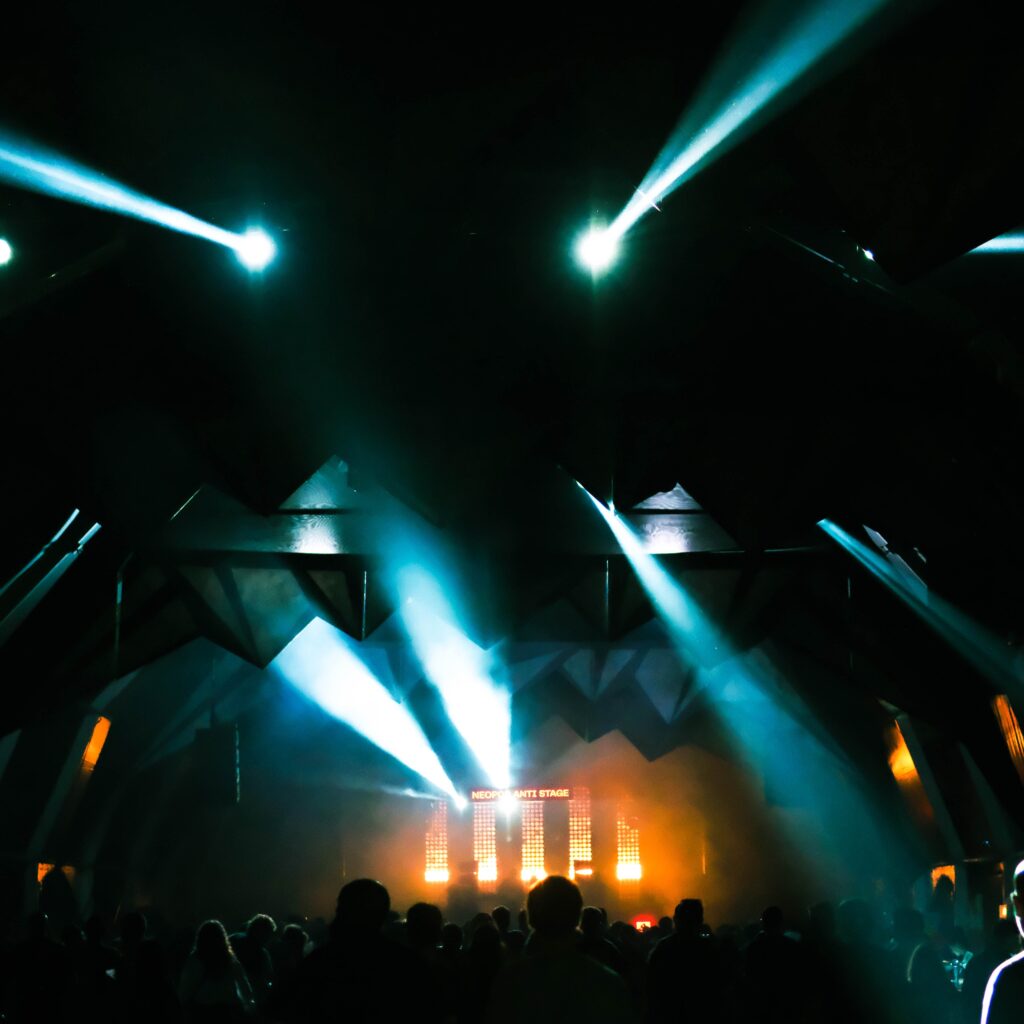
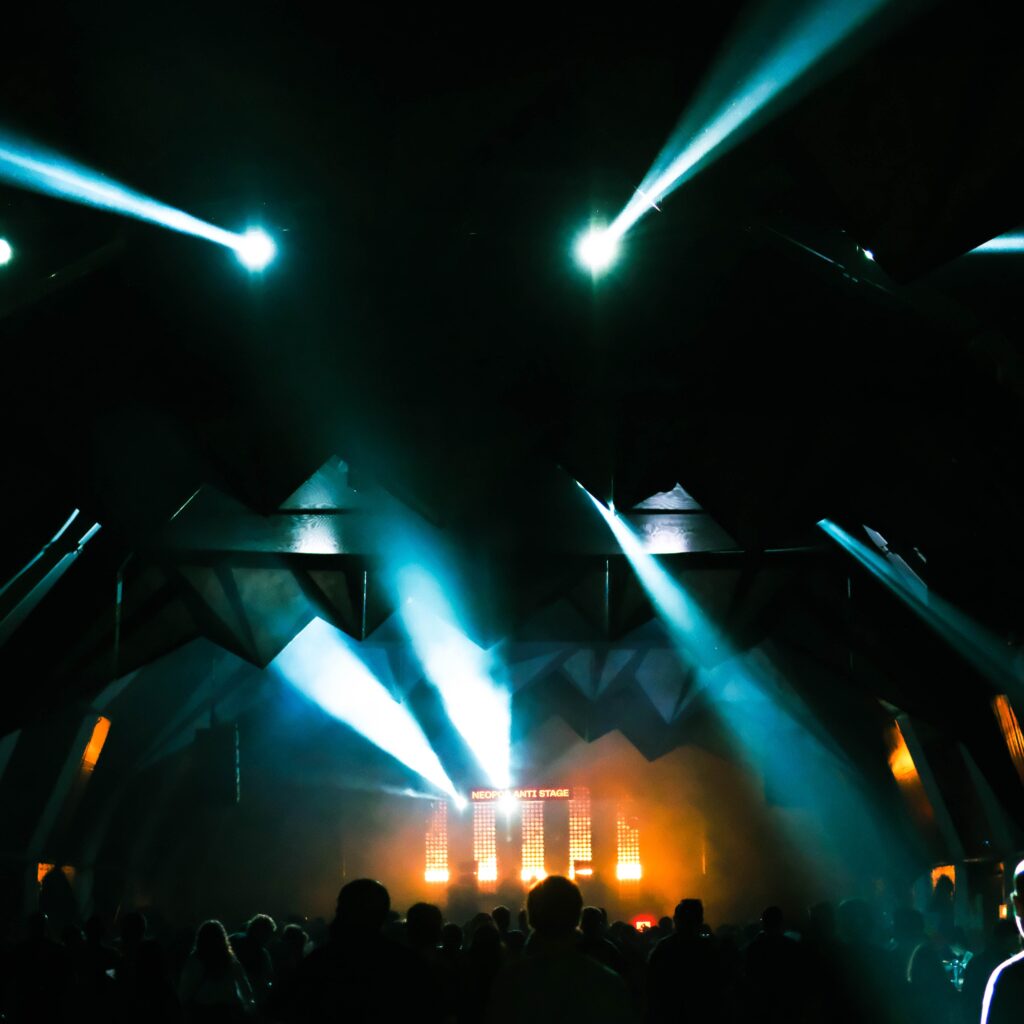
The main stage had been transformed, giving the entire event a significantly stronger visual presence. The production felt bigger, more immersive and more ambitious, while still fitting naturally into the industrial and historic character of Forte de Santiago da Barra.
This was one of the upgrades that made the biggest difference to our experience.
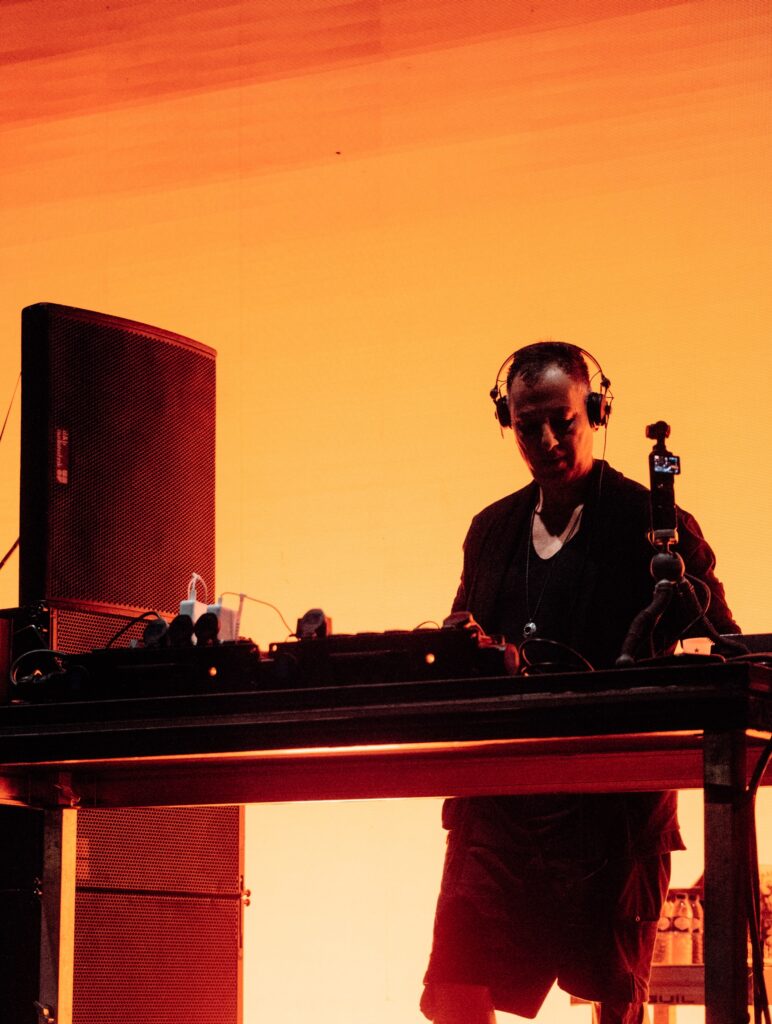
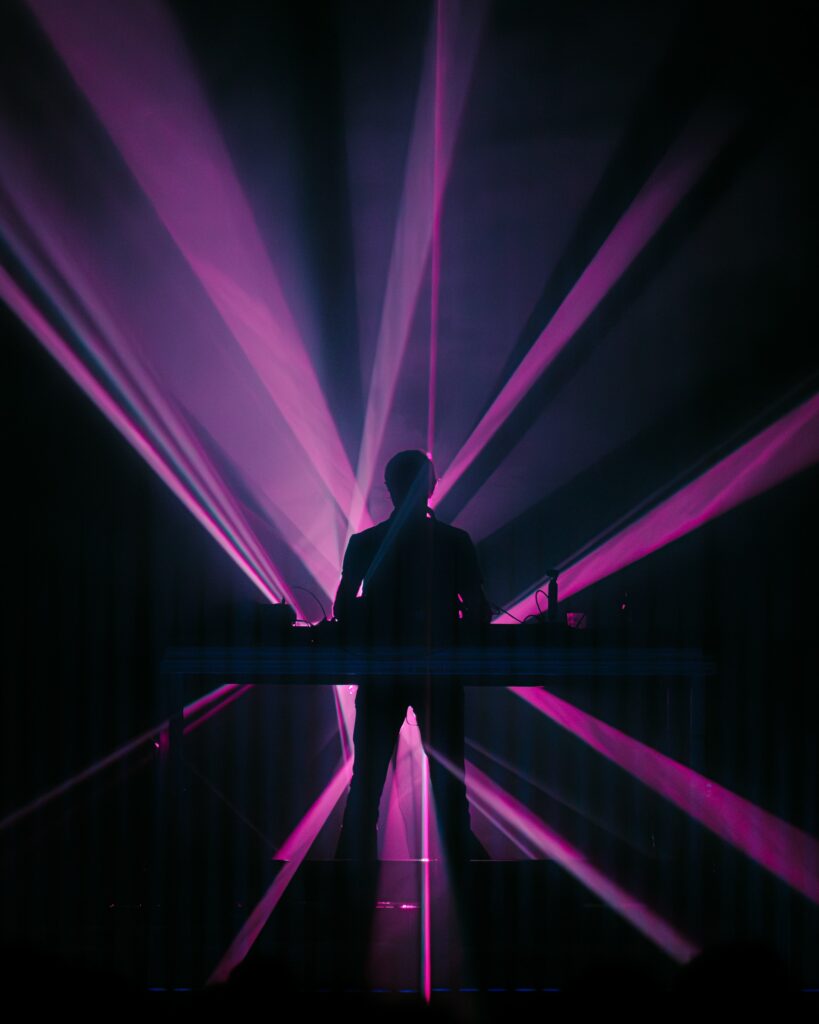
The festival already had an extraordinary setting, but the new stage design gave the music a completely different visual dimension. As the lights, visuals and production evolved throughout the night, the stage became more than a place where artists performed. It became part of the overall experience.
The work of the DubLab collective once again played an important role in the visual identity, creating an environment that felt contemporary without competing with the music.
The upgrade was particularly impressive after sunset, when the combination of the stage design, lighting and visuals transformed the festival space.
During the day, Forte de Santiago da Barra provides a fascinating historical backdrop. At night, it becomes something completely different.
That transformation is one of the things that makes NEOPOP so distinctive.
Back Stage: the new addition that changed the experience
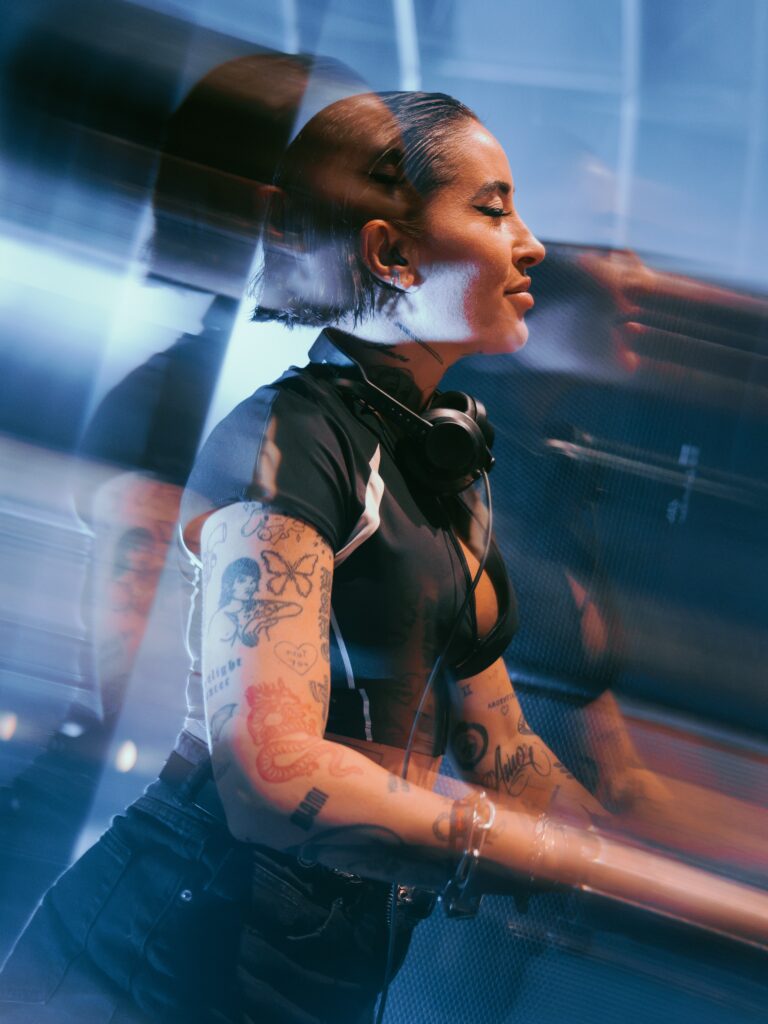
The introduction of Back Stage was perhaps the most exciting new feature of the 2026 edition.
Despite its deliberately ironic name, the new stage was a serious addition to the festival. Rather than creating another space dominated by conventional VIP culture or simply adding more major names to an already enormous lineup, Back Stage was designed as part of the ANTIPOP statement.
It provided another environment in which to discover artists and different sounds, expanding the festival without making the experience feel repetitive.
We particularly enjoyed the way the new stage changed the flow of the festival. Having another carefully curated space meant there was always another option when moving around Forte de Santiago da Barra, and it added a new layer to the overall experience.
The fact that the stage was introduced during such an important anniversary edition made it feel even more significant.
It was not simply a new stage.
It represented the festival's willingness to continue evolving.
After 20 years, NEOPOP could easily have chosen to rely on its established formula. Instead, it introduced a substantial change to the setup and managed to make the festival feel refreshed.
That was one of the biggest successes of the 2026 edition.
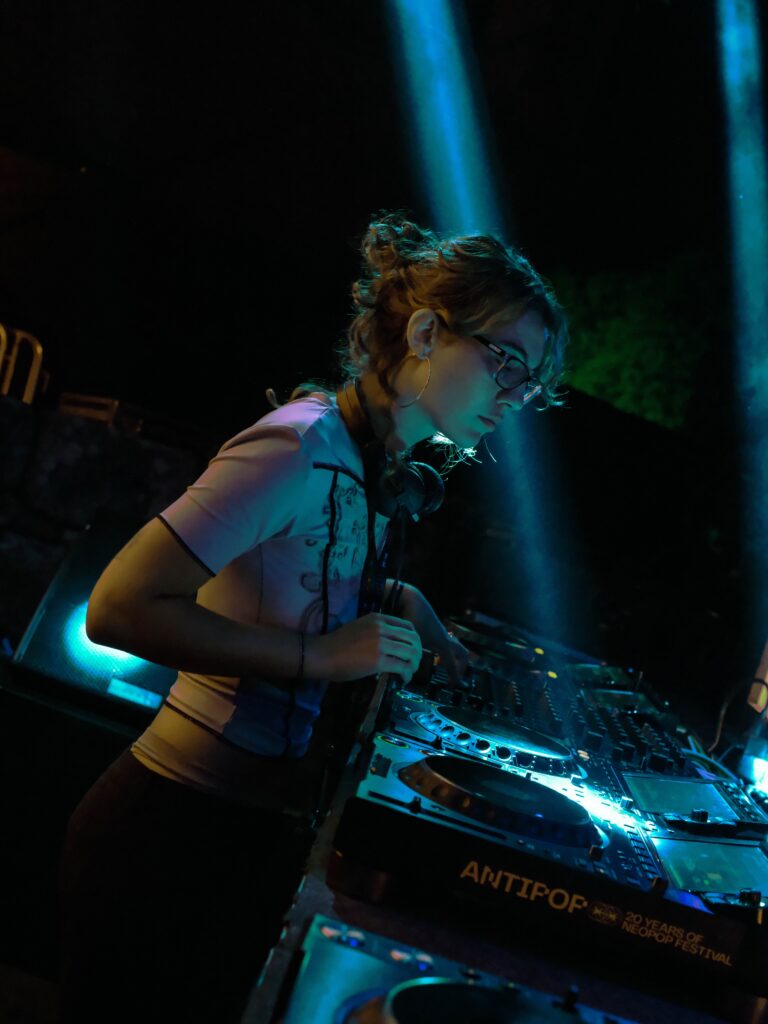
Thursday: starting the anniversary weekend with an exceptional lineup
The opening night immediately demonstrated the scale of the anniversary edition.
Thursday's lineup included Ben Klock b2b Rødhåd, Nina Kraviz, Indira Paganotto, Goldie, Mathew Jonson live, DJ Gigola, Supermayer, Héctor Oaks b2b Partiboi69 and a long list of other artists and back-to-back performances.
It was an extraordinary amount of electronic music for a single night.
Ben Klock and Rødhåd were among the performances that immediately stood out. Both artists have deep connections to techno and to the underground scene, and seeing them together created one of the night's most anticipated moments.
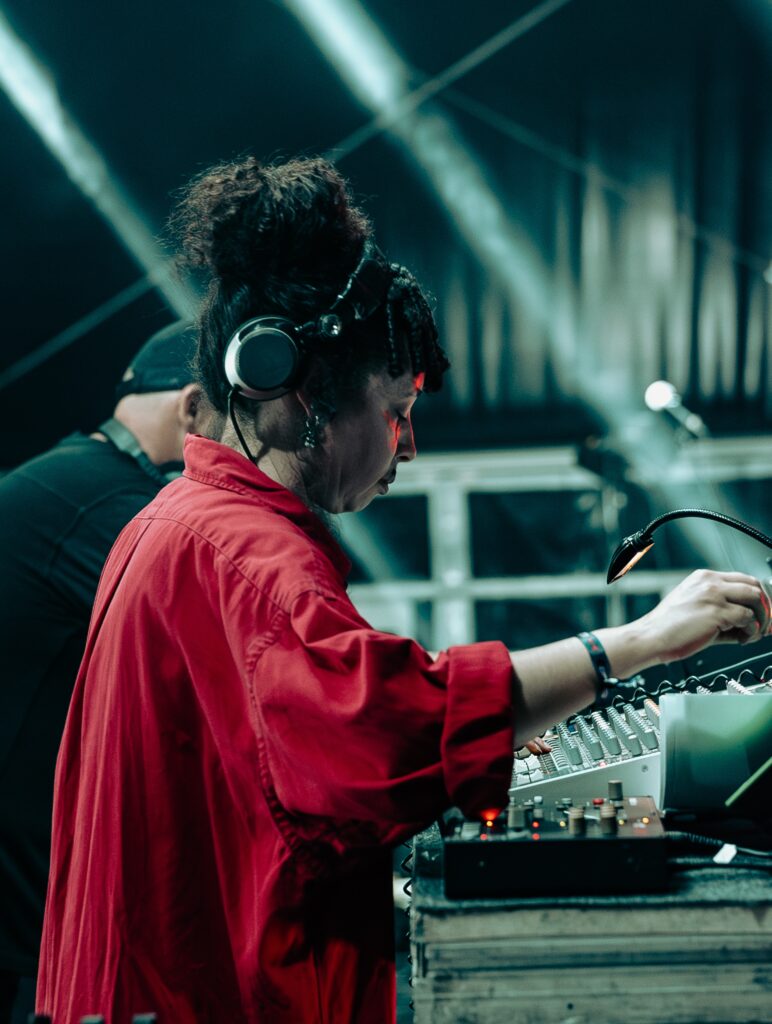
The b2b format was also a recurring theme throughout the festival, with NEOPOP using unexpected combinations to create performances that felt different from conventional solo sets.
That approach gave the lineup considerable depth.
Goldie brought another dimension to Thursday, representing the influence of drum & bass and demonstrating once again that NEOPOP is not restricted to a single interpretation of electronic music.
Mathew Jonson's live performance added an entirely different atmosphere, while Supermayer provided another highlight for anyone interested in the more melodic and experimental side of electronic music.
Nina Kraviz and Indira Paganotto added further energy to the night, and the combination of established artists, emerging names and unexpected pairings made Thursday feel like a genuine celebration of the breadth of electronic music.
It was a very strong opening.
And it made one thing obvious: NEOPOP had no intention of treating its 20th anniversary as a routine edition.
Friday: Richie Hawtin and an immersive night of techno
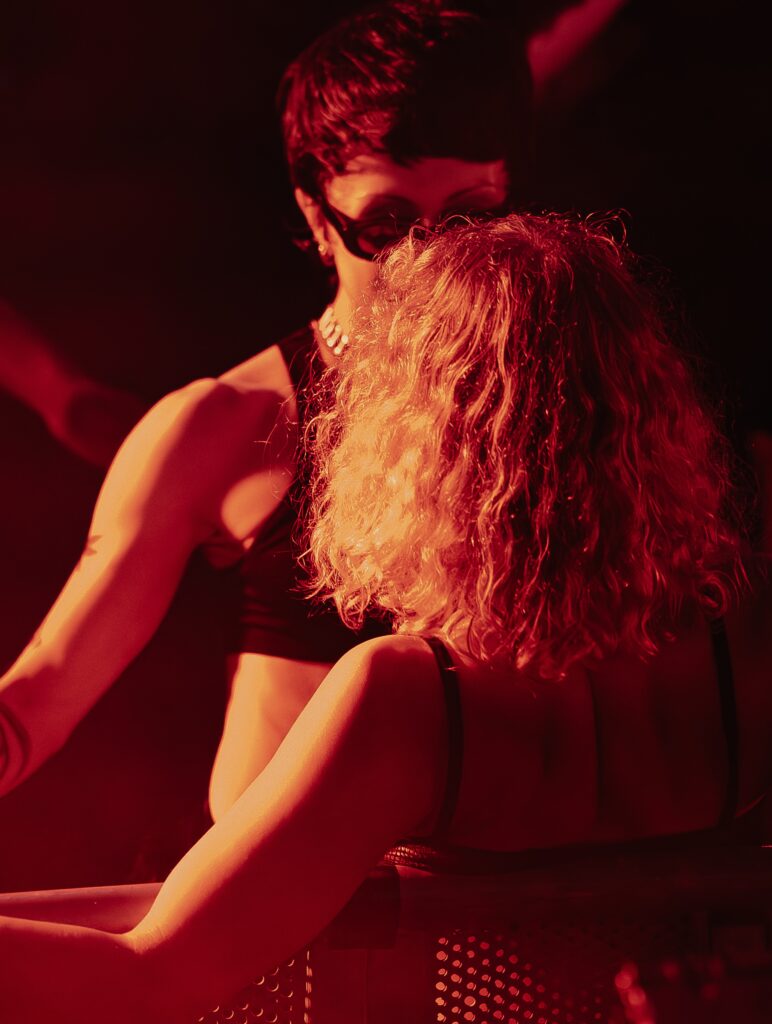
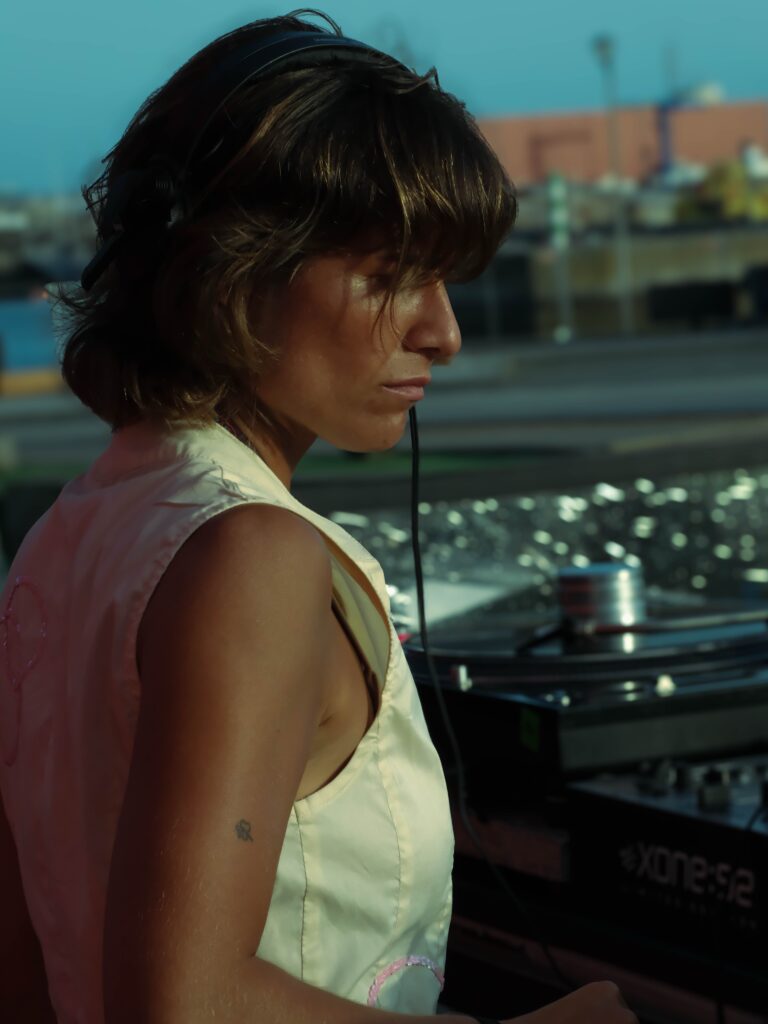
Friday brought another exceptional programme, with Richie Hawtin's DEX EFX X0X live show at the centre of the evening.
Hawtin's performance was particularly appropriate for the 20th anniversary because DEX EFX X0X revisits elements of his sessions and creative approach from 1995 to 2005, a period that was hugely influential in the development of electronic music.
It was an immersive experience rather than simply a traditional DJ set, and that made it particularly well suited to the scale and atmosphere of NEOPOP.
The performance also fitted perfectly into the festival's broader anniversary narrative.
Throughout the weekend, there was a strong connection between the history of electronic music and its contemporary evolution. Richie Hawtin represents a crucial part of that history, but the festival placed him alongside a younger generation of artists who are continuing to push the genre forward.
Friday's programme was packed with names including Dubfire, Enrico Sangiuliano, Daria Kolosova, Ellen Allien b2b SALOME, Helena Hauff b2b IMOGEN, Joseph Capriati b2b Luke Slater, Octave One live and Alarico b2b Yanamaste.
It was difficult to decide where to be.
That was one of the recurring challenges of NEOPOP 2026: there was simply too much good music happening simultaneously.
But it was also one of the reasons the festival was so enjoyable.
Rather than feeling like a lineup built around one or two major performances, Friday felt like an entire night of highlights.
The strength of the back-to-back sets
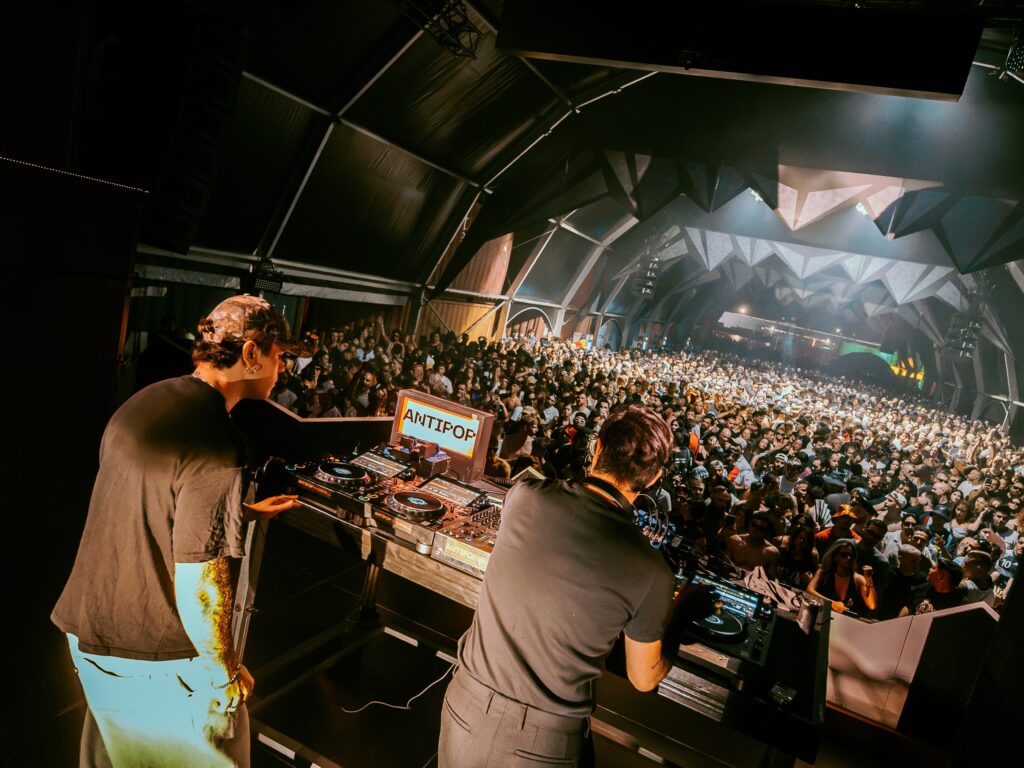
One of the most interesting aspects of the NEOPOP 2026 lineup was the number of back-to-back performances.
Ben Klock and Rødhåd, Joseph Capriati and Luke Slater, Ellen Allien and SALOME, Helena Hauff and IMOGEN, Alarico and Yanamaste, Frank Maurel and Josh Wink, FJAAK with KiNK and many other combinations created opportunities for artists to interact and respond to one another.
For electronic music fans, this is particularly exciting because a b2b set can produce something that neither artist would necessarily create alone.
The different styles, influences and approaches collide in real time.
At NEOPOP, these combinations felt like an important part of the festival's identity rather than simply a way of making the lineup look bigger.
They created genuine moments of surprise.
Saturday: Jeff Mills, FJAAK x KiNK and The Martinez Brothers
Saturday was the final day, but there was no sense that the festival was slowing down.
If anything, the lineup felt even more ambitious.
Jeff Mills was one of the most significant names on the programme, and his presence alone would have been enough to make Saturday a major night for techno fans.
His legacy in electronic music is almost impossible to overstate, and seeing such an influential figure performing in the unique environment of Viana do Castelo was one of those moments that made the 20th anniversary feel particularly special.
FJAAK x KiNK live offered another standout performance, combining different approaches to electronic music in a way that suited the adventurous spirit of the festival.
Dax J, Paco Osuna and The Martinez Brothers added further variety, with the latter bringing the influence of New York and the international house scene to Viana do Castelo.
The Martinez Brothers have become major figures in global house music, particularly through their connection to Ibiza and the international club circuit, and their presence brought another style and energy to the final night.
Paco Osuna was another natural fit, bringing his unmistakable approach to the dancefloor.
The result was a Saturday that moved comfortably between techno, house, live electronic performances and more experimental sounds.
Once again, there was no shortage of options.
The Portuguese electronic music scene was central
One of the things that we particularly appreciated about NEOPOP was the strong representation of Portuguese artists.
Names including Rui Vargas, Serginho, Nuno Di Rosso, Nuno Forte, Tilinhos, Violet, Alex Fernandes, Lynce, Ana Pacheco and Lewis Fautzi were part of a lineup where Portuguese talent stood alongside some of the most influential artists in the world.
This is important because NEOPOP is not simply an international electronic music festival happening in Portugal.
It is an important part of Portugal's electronic music culture.
The festival has played a role in giving Portuguese artists a platform and connecting them with international audiences. Having so many local artists included in a 20th anniversary programme reinforced that connection.
Lewis Fautzi's live performance was particularly significant within the ANTIPOP context, while Violet, Rui Vargas and the other Portuguese artists contributed to a lineup that felt genuinely representative of the local scene.
For international visitors, this also creates an opportunity to discover artists they may not have encountered elsewhere.
Back Stage and the XXII Beats takeover
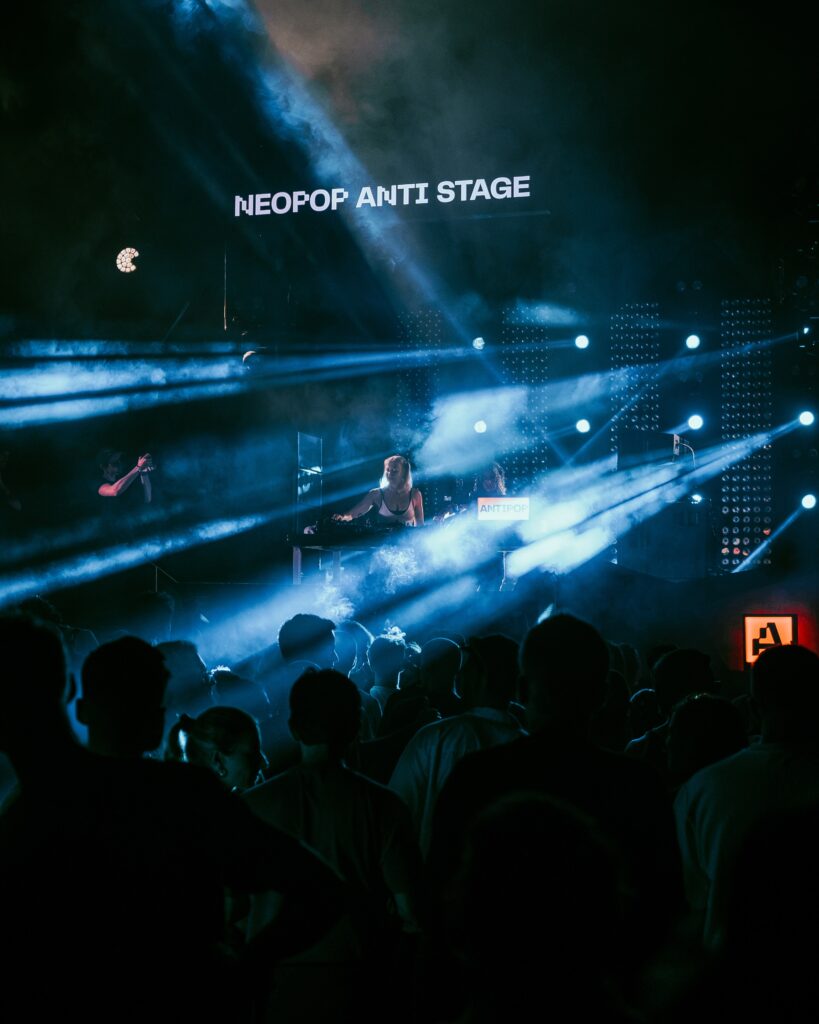
The new Back Stage became particularly interesting on Friday, when it was curated by XXII Beats under the direction of Portuguese artist NOIA.
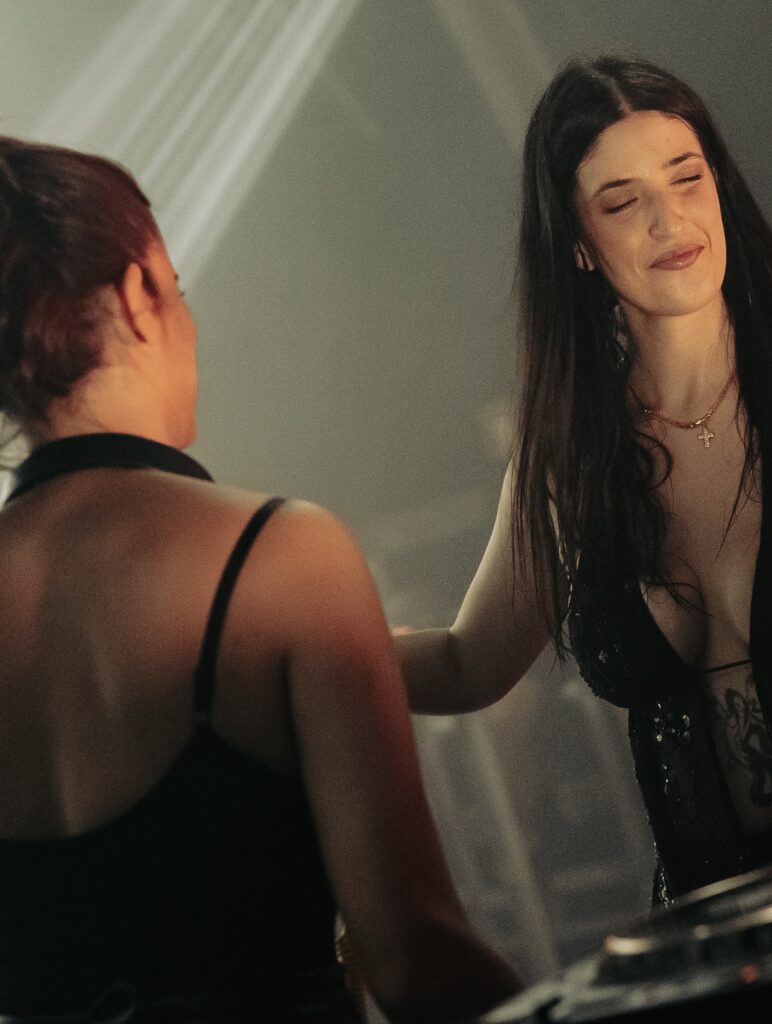
The all-female lineup, which included drum & bass pioneer Storm, gave the stage a distinct identity and demonstrated that the new space was not simply an additional stage designed to accommodate more artists.
It had its own curatorial personality.
That is important because adding another stage to a festival can sometimes make the experience feel fragmented. At NEOPOP, Back Stage instead felt like a genuine extension of the festival's creative philosophy.
It provided another space for discovery and gave artists who might not necessarily fit the conventional main-stage hierarchy an opportunity to become part of the experience.
This was particularly aligned with the ANTIPOP concept of challenging established conventions.
Visual arts and the history of NEOPOP
Music was naturally the main focus, but the 20th anniversary also created an opportunity to reflect on the festival's history.
A thematic exhibition highlighted some of the most important milestones from NEOPOP's two decades, providing a visual record of how the festival had evolved.
That was particularly appropriate for this edition.
Twenty years is long enough for a festival to become part of the history of its scene, and seeing that history represented within the festival itself gave the anniversary a stronger sense of meaning.
The visual identity created by DubLab also contributed to the experience.
The stage designs and production were not simply decorative. They created an environment that complemented the music and helped turn Forte de Santiago da Barra into a completely different space after dark.
The contrast between the historic architecture of Viana do Castelo and the contemporary visual production of NEOPOP is one of the festival's most compelling characteristics.
Viana do Castelo makes NEOPOP unique
It is impossible to discuss NEOPOP without talking about Viana do Castelo.
The city provides something that few electronic music festivals can replicate: a combination of history, architecture, river, Atlantic atmosphere and a relatively intimate urban environment.
Forte de Santiago da Barra is particularly impressive as a festival setting.
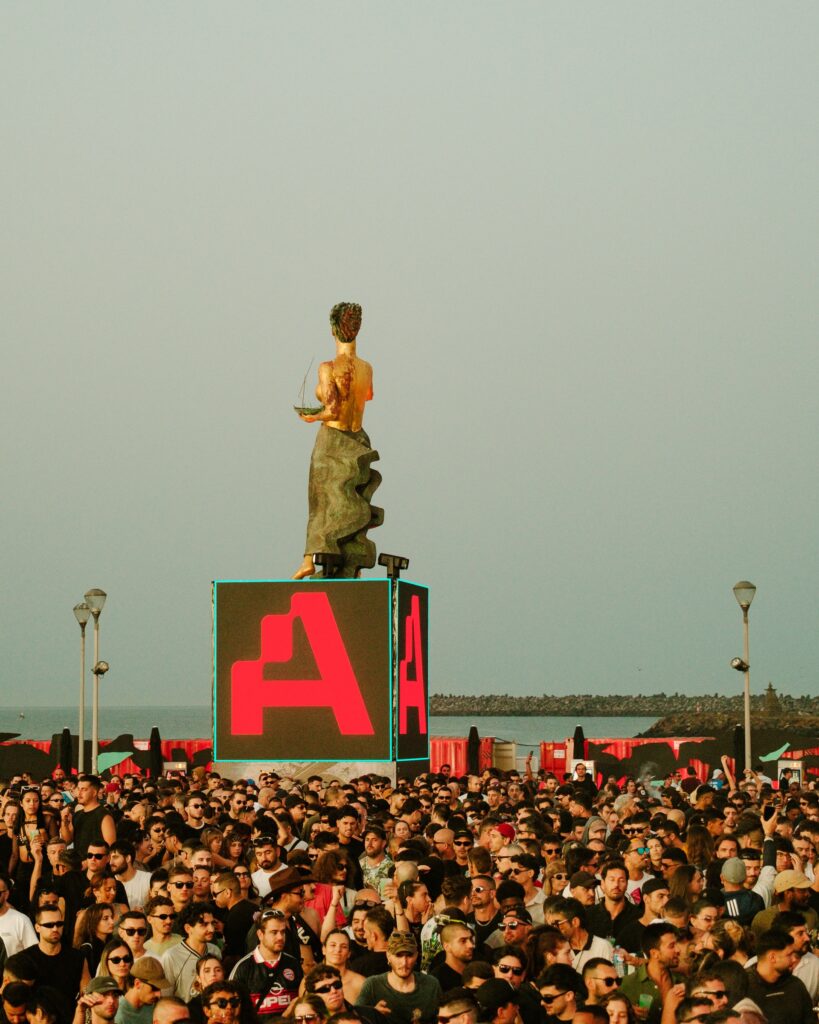
During the day, you are surrounded by historic architecture and the distinctive landscape of northern Portugal. As the sun goes down, the festival transforms completely, with lights, visuals and electronic music taking over the space.
That contrast creates an atmosphere that is difficult to describe until you experience it.
It also gives NEOPOP a strong sense of place.
This is not a festival that could be moved to another city without changing its identity.
Viana do Castelo is part of NEOPOP.
The city, the fort and the surrounding landscape all contribute to what makes the experience memorable.
Twenty years and still moving forward
The most impressive thing about NEOPOP 2026 was perhaps that, despite celebrating 20 years, the festival never felt nostalgic.
The return of ANTIPOP acknowledged the past, the anniversary exhibition celebrated the journey and Laurent Garnier's return connected the present with some of the festival's most memorable historic moments.
But everything else was focused on evolution.
The new main stage.
The new Back Stage.
The huge international lineup.
The new artist combinations.
The emphasis on emerging talent.
The visual production.
It all pointed towards the future.
That balance between history and innovation is what made the anniversary edition so successful.
Laurent Garnier and the perfect ending
And then there was Laurent Garnier.
The legendary French DJ and producer returned to Viana do Castelo to close the 20th anniversary edition, bringing a particularly meaningful connection to NEOPOP's history.
Garnier had already performed at the festival in 2014 and delivered an unforgettable closing set in 2019. His return therefore carried a significant amount of history with it.
Having him close the ANTIPOP edition felt almost inevitable.
It connected the festival's past, present and future in a single moment.
After three days of major artists, new stages, upgraded production and an enormous celebration of electronic music, Laurent Garnier provided the kind of closing chapter that a 20th anniversary deserves.
It was not simply another big name added to an already impressive lineup.
It was a symbolic ending.
The atmosphere made everything work
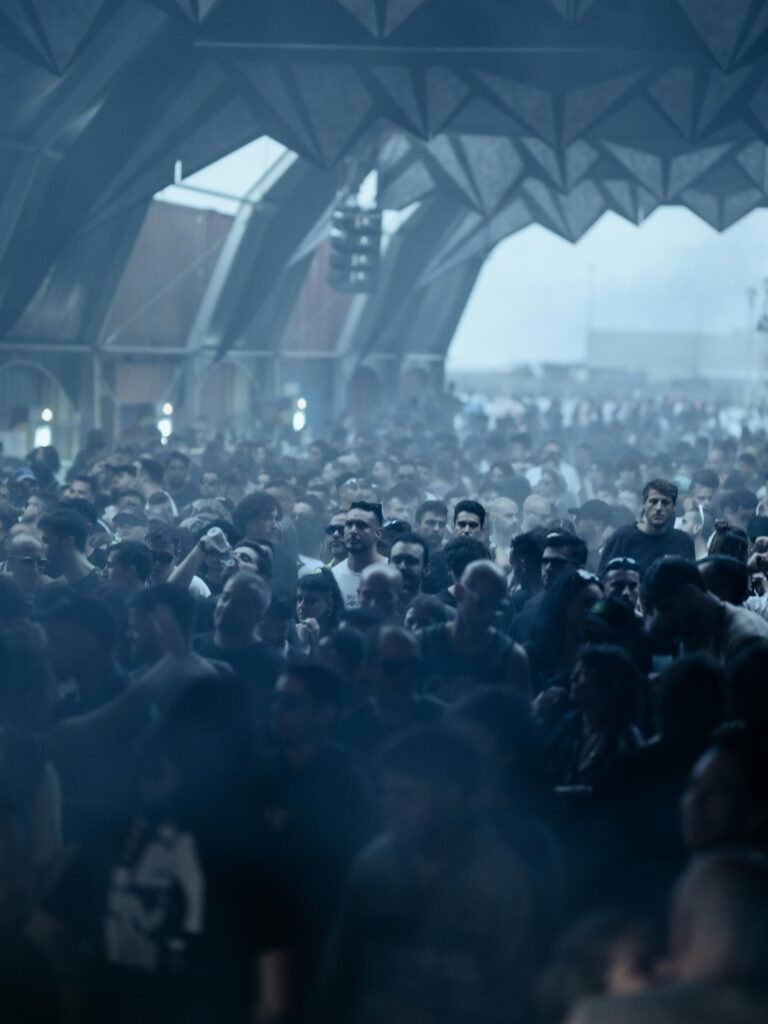
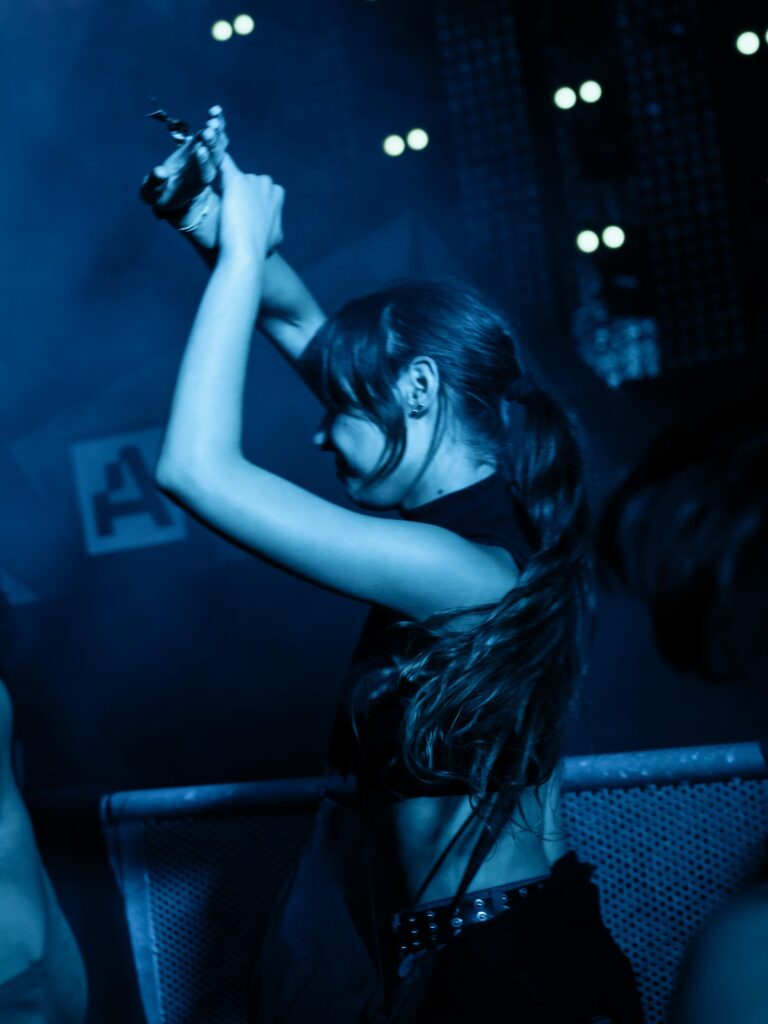
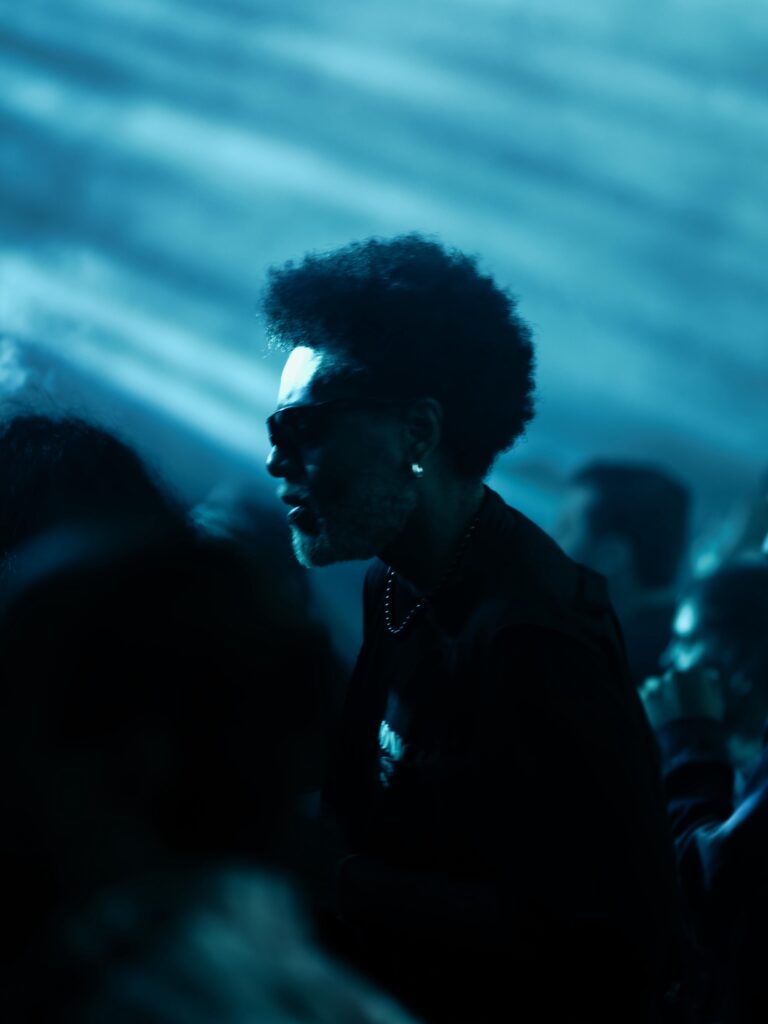
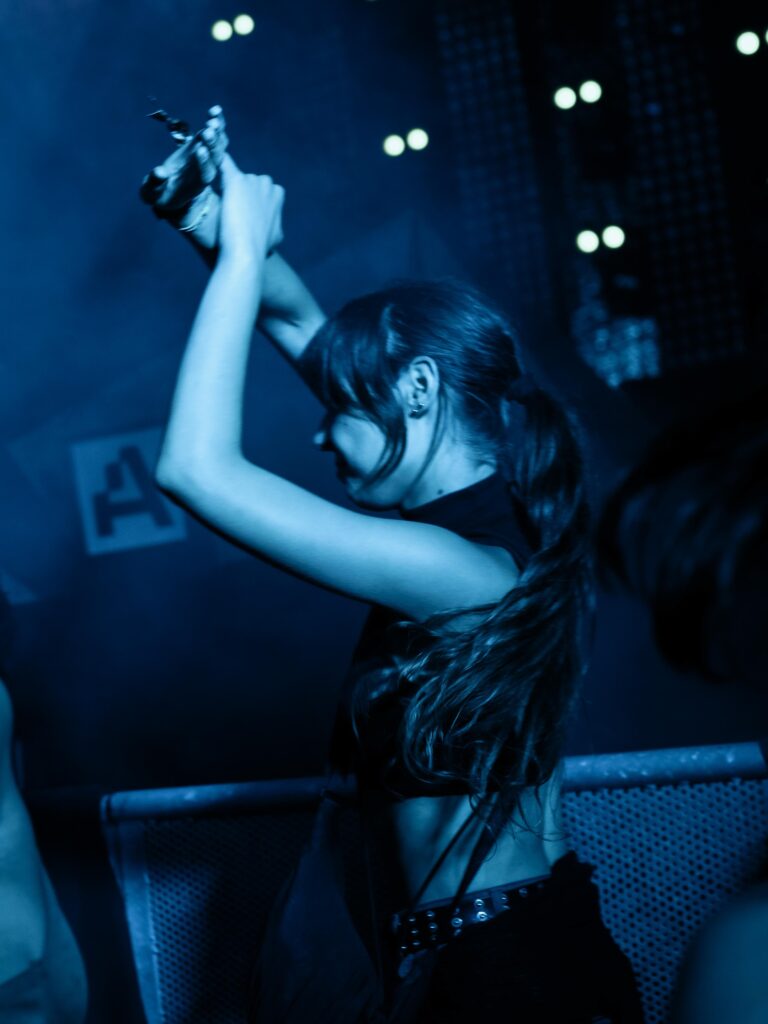
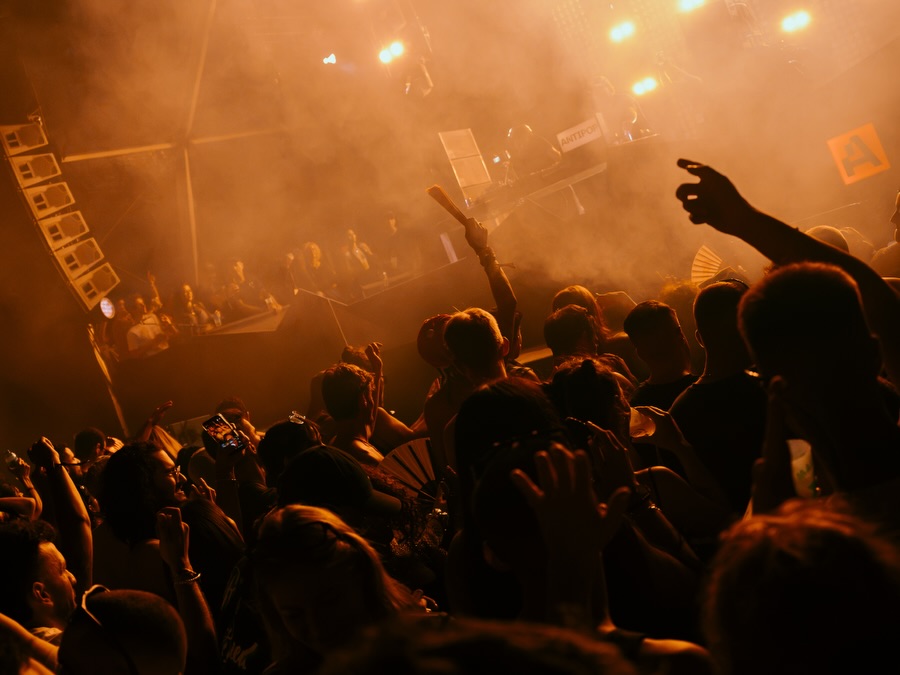
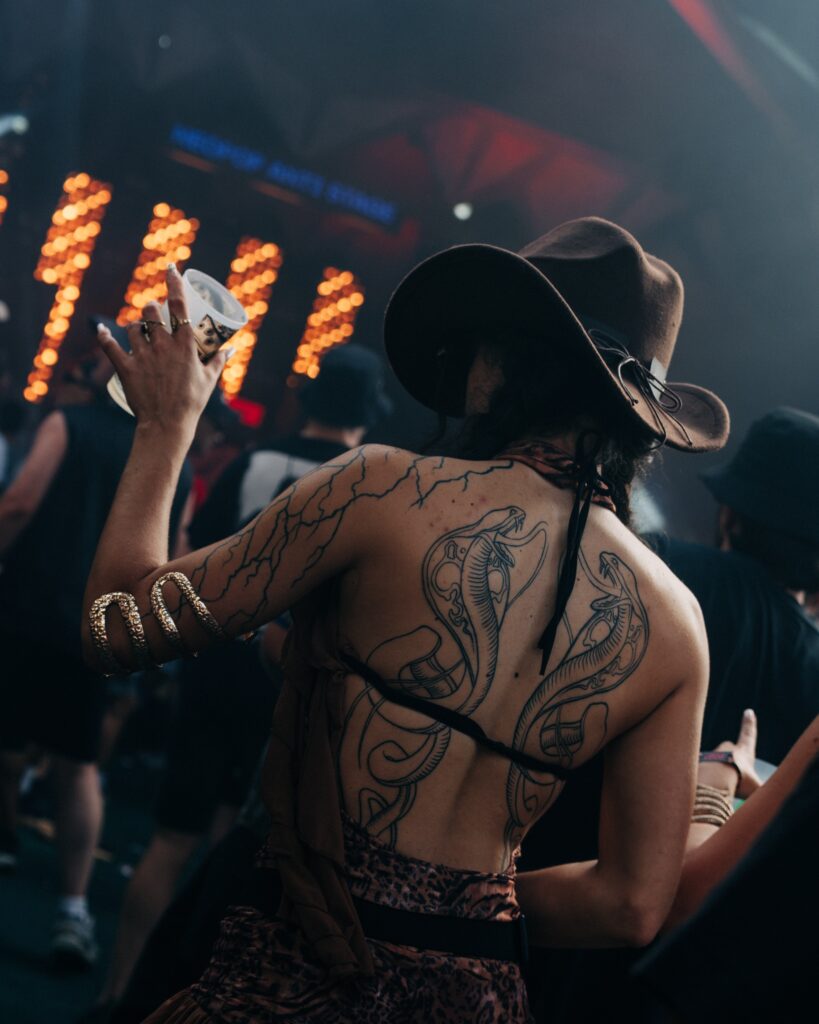
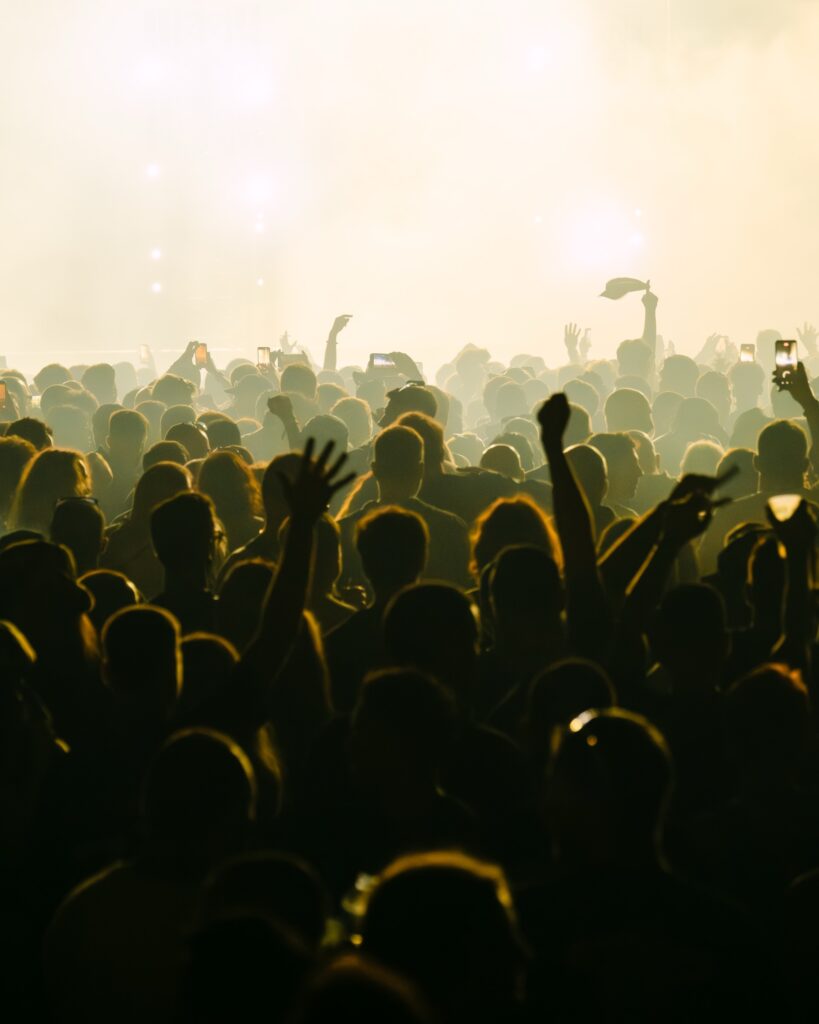
Despite all the major names and production upgrades, the thing we will probably remember most about NEOPOP 2026 is the atmosphere.
There was an incredible sense of community throughout the festival.
People had travelled to Viana do Castelo because they genuinely cared about electronic music, and that created an audience that was engaged with what was happening on the stages.
There was also something very special about the setting.
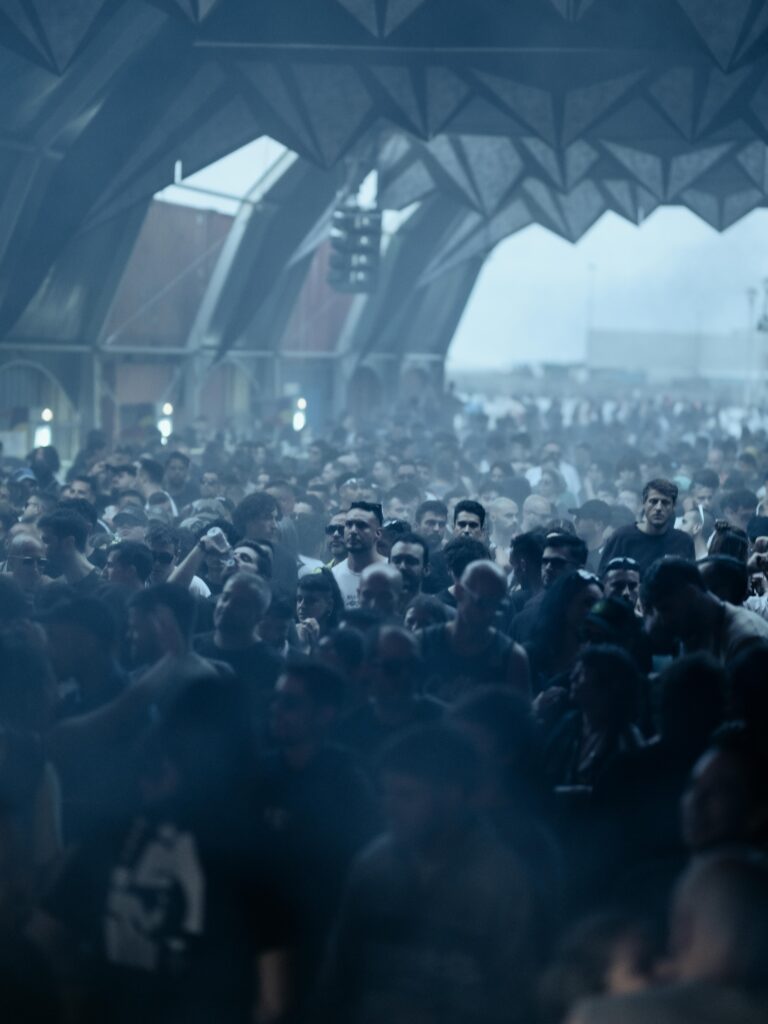
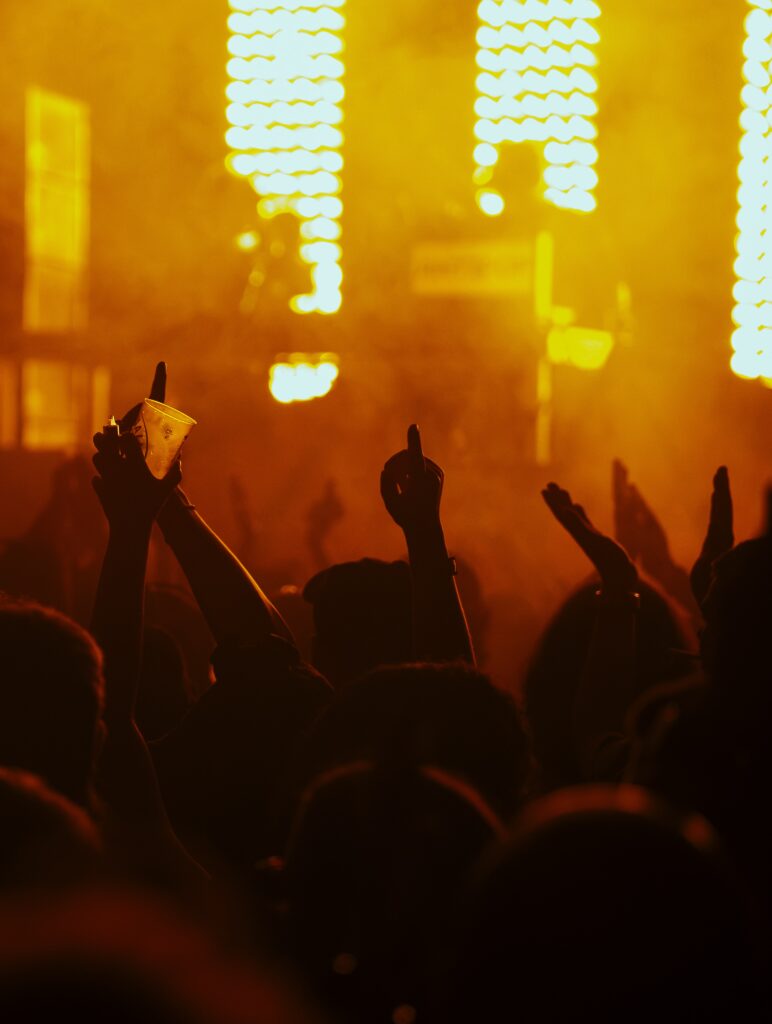
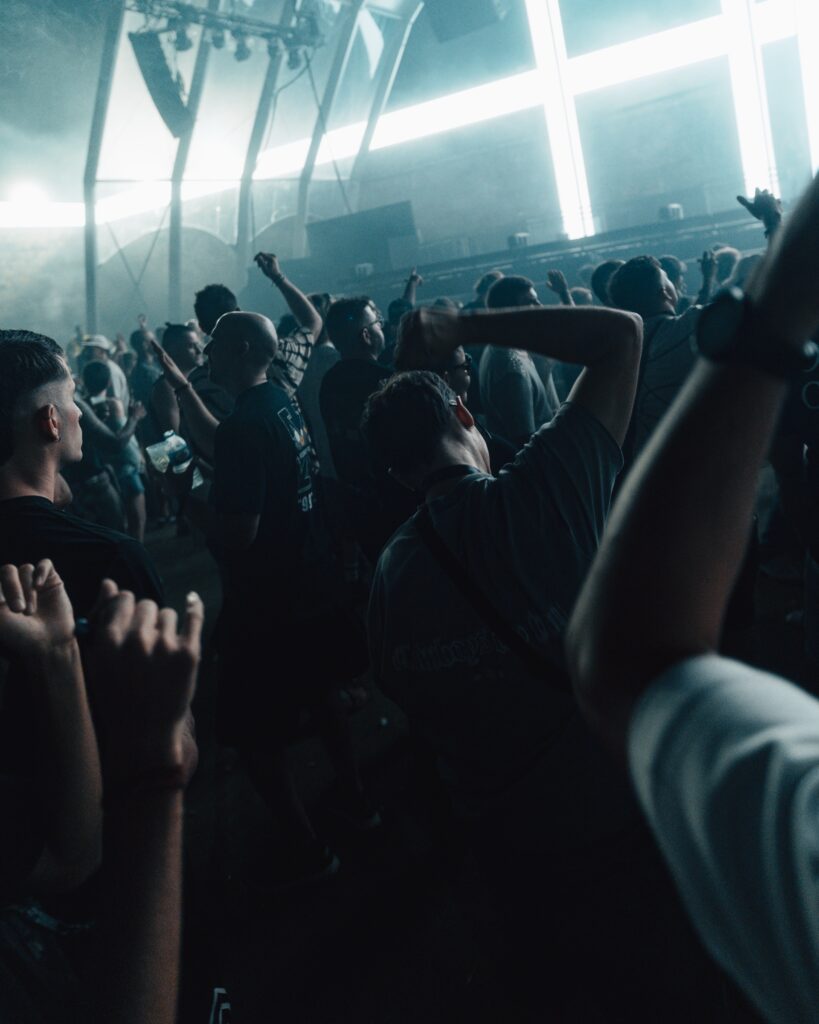
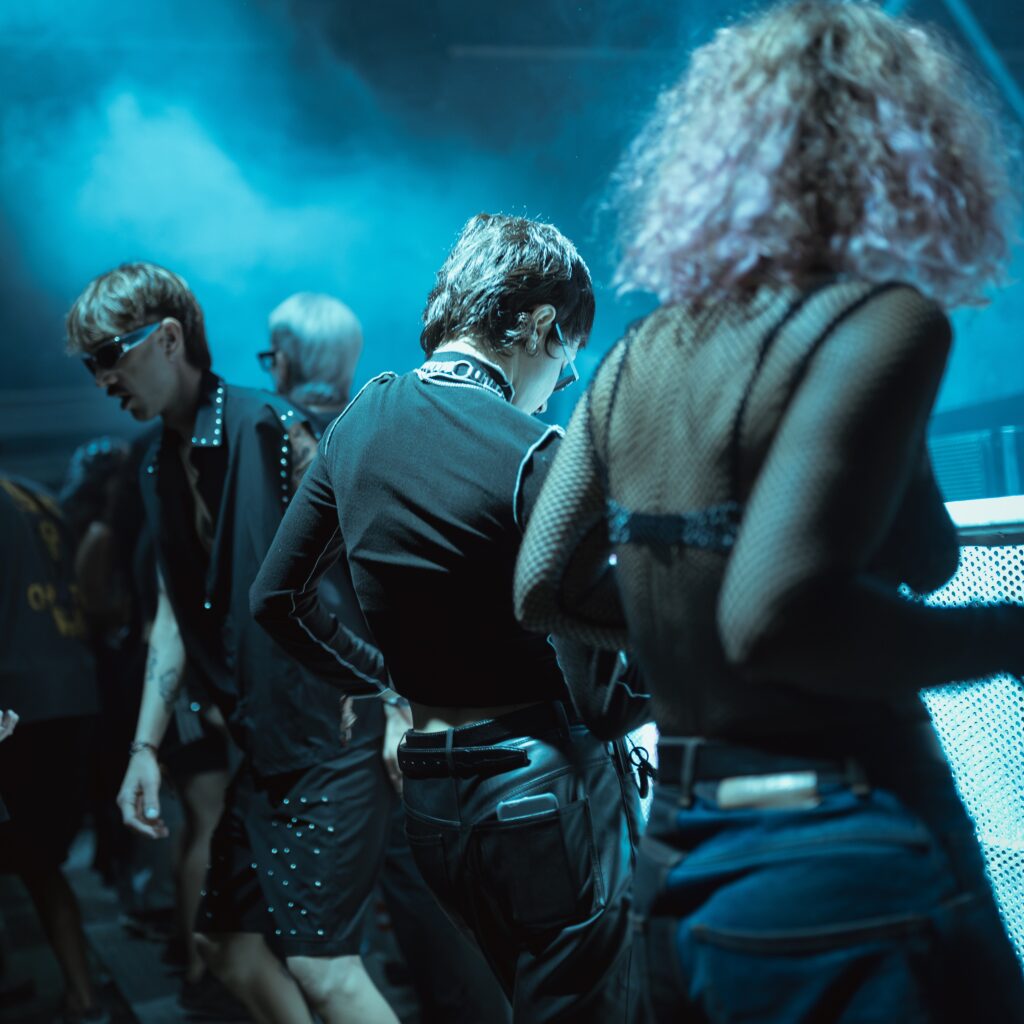
The historic fort, the night air, the lights, the sound systems and the crowds created an environment that felt both intense and welcoming.
The festival could be energetic without becoming overwhelming.
You could move between stages, discover new artists, meet friends and simply take in the atmosphere.
That balance is difficult to achieve at a large electronic music festival, but NEOPOP managed it particularly well.
Our verdict on NEOPOP 2026
After experiencing NEOPOP 2026, we can confidently say that the 20th anniversary edition lived up to the significance of the occasion.
The festival delivered an exceptional lineup, but it was the combination of music, production, setting and atmosphere that made the experience so memorable.
The new main stage was a major upgrade and gave the festival a much stronger visual identity, particularly at night. The introduction of Back Stage was another excellent decision, adding another dimension to the festival while staying true to the ANTIPOP philosophy.
The lineup itself was outstanding.
From Ben Klock b2b Rødhåd and Nina Kraviz on Thursday to Richie Hawtin's DEX EFX X0X, Dubfire and Ellen Allien on Friday, and Jeff Mills, FJAAK x KiNK, Paco Osuna and The Martinez Brothers on Saturday, there was an extraordinary level of quality throughout all three days.
And then, of course, Laurent Garnier brought everything to a fitting conclusion.
But beyond the names, what made the weekend special was the feeling that NEOPOP was celebrating its history without becoming trapped by it.
Twenty years after its beginnings, the festival still wants to challenge expectations.
It still wants to experiment.
It still wants to support electronic music culture.
And it still wants to push things forward.
That is perhaps the most impressive achievement of all.
NEOPOP 2026 did not feel like a festival looking back on 20 successful years.
It felt like a festival celebrating 20 years of experience before starting another chapter.
For us, it was an amazing experience from beginning to end. The music was exceptional, the new setup made a noticeable difference, the new stage was one of the highlights of the festival and the atmosphere throughout Forte de Santiago da Barra was exactly what we hoped for.
The combination of Viana do Castelo, the historic setting, the extraordinary electronic music lineup and the renewed visual production made this one of the most memorable editions of NEOPOP we have experienced.
There are plenty of festivals that can offer impressive names.
There are far fewer that can create such a strong sense of identity.
NEOPOP has that identity.
After 20 years, it remains unmistakably itself while continuing to evolve.
And if the 2026 edition was any indication of what comes next, the future of NEOPOP looks just as exciting as its past.